There’s something incredibly comforting about freshly baked milk bread with its pillowy texture, delicate golden crust, and soft, fluffy interior. Traditional milk bread, however, is usually made with refined white flour, sugar, and whole milk, making it less suitable for people trying to manage blood sugar levels or increase their daily protein intake. These High-Protein Diabetic-Friendly Sugar-Free Soft Milk Bread Rolls offer all the softness and rich homemade flavor you love while using smarter ingredients that better support a balanced lifestyle.
This original recipe replaces refined sugar with a diabetic-friendly monk fruit sweetener and combines high-protein bread flour, whey protein isolate, Greek yogurt, and eggs to create exceptionally soft rolls that are light, airy, and satisfying. The carefully balanced ingredients produce a dough that’s easy to work with and bakes into beautifully golden pull-apart rolls with a tender crumb that stays soft for days. Every bite delivers comforting bakery-quality texture while providing significantly more protein than traditional milk bread.
Whether you’re making breakfast sandwiches, healthier burgers, dinner rolls, or simply enjoying warm bread with a little butter, these sugar-free milk bread rolls are wonderfully versatile. They’re perfect for meal prep, freeze beautifully, and pair well with both sweet and savory meals. Best of all, they’re family-friendly, beginner-friendly, and designed to help you enjoy homemade bread without relying on large amounts of refined carbohydrates and added sugar.
Why You’ll Love This Recipe
- High in protein with approximately 13–15 grams per roll.
- Completely sugar-free and diabetic-friendly.
- Soft, fluffy, pull-apart texture.
- Lower in carbohydrates than traditional milk bread.
- Perfect for breakfast, sandwiches, burgers, or dinner.
- Naturally rich in protein for better satiety.
- Stays soft for several days.
- Freezer-friendly for meal prep.
- Beautiful glossy bakery-style finish.
- Easy enough for beginner bakers.
- Family-friendly recipe everyone will enjoy.
- Delicious warm or toasted.
Also CheckOut: 30-Day High-Protein Meal Plan for Weight Loss: Easy Recipes, Meal Prep Tips & Complete Nutrition Guide
Equipments
- Large mixing bowl (5-quart) – Provides enough room for mixing and kneading the dough comfortably.
- Stand mixer with dough hook (recommended) – Makes kneading easier while developing a soft, elastic dough.
- Medium mixing bowl (2-quart) – Perfect for combining wet ingredients before adding them to the flour mixture.
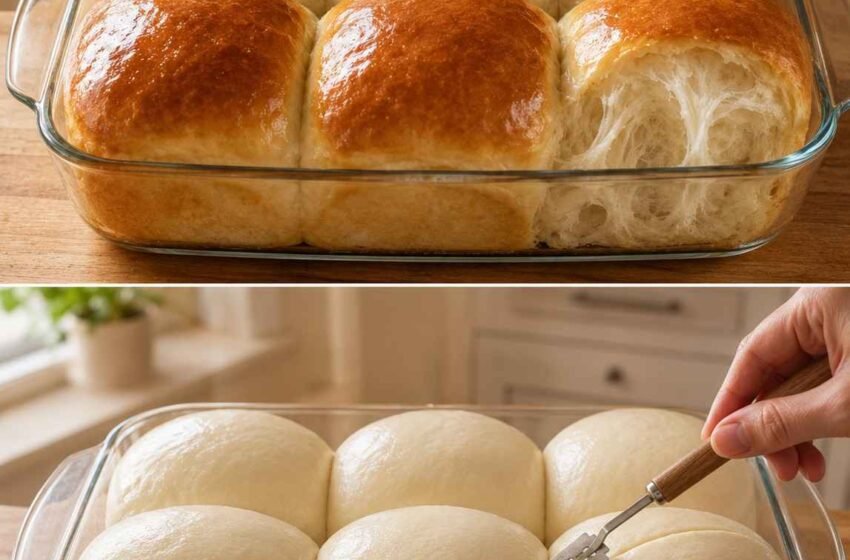
- 9 × 13-inch baking pan or 8 × 8-inch square baking dish – Ideal for baking six pull-apart milk bread rolls just like the reference image.
- Digital kitchen scale – Highly recommended for accurately measuring flour and protein powder.
- Measuring cups and measuring spoons – Ensure consistent ingredient measurements.
- Silicone spatula – Helps scrape every bit of dough from the mixing bowl.
- Pastry brush – Used for applying the egg wash to achieve a glossy golden crust.
- Clean kitchen towel or plastic wrap – Keeps the dough covered during proofing.
- Cooling rack – Allows the rolls to cool evenly while maintaining a soft crust.
- Instant-read thermometer (optional) – Helps confirm the rolls are fully baked with an internal temperature of about 190°F (88°C).
Ingredients
Bread Dough
- 2½ cups high-protein bread flour
- ½ cup unflavored whey protein isolate
- ¼ cup plain non-fat Greek yogurt
- 1 large egg
- 1 cup warm unsweetened ultra-filtered milk
- 2 tablespoons powdered monk fruit sweetener with erythritol
- 2 tablespoons unsalted butter, softened
- 2 teaspoons instant yeast
- 1 teaspoon fine sea salt
Egg Wash
- 1 large egg
- 1 tablespoon unsweetened ultra-filtered milk
Optional Butter Finish
- 1 teaspoon melted light butter
- Pinch of flaky sea salt (optional)
Ingredients Notes
- High-Protein Bread Flour
High-protein bread flour contains more gluten-forming proteins than all-purpose flour, creating stronger dough that rises beautifully while producing soft, fluffy rolls. It also provides better structure when combined with whey protein.
- Whey Protein Isolate
Unflavored whey protein isolate dramatically increases the protein content without overpowering the classic milk bread flavor. Measuring it accurately helps maintain a soft crumb while boosting nutritional value.
- Greek Yogurt
Plain non-fat Greek yogurt contributes moisture, tenderness, and additional protein. It also helps the rolls stay soft for several days while adding a subtle richness to the dough.
- Ultra-Filtered Milk
Ultra-filtered milk naturally contains more protein and less sugar than regular milk, making it an excellent diabetic-friendly choice. Warm the milk to approximately 105–110°F (40–43°C) before mixing to activate the yeast properly.
- Instant Yeast
Instant yeast provides reliable rising without requiring proofing beforehand. It creates light, airy rolls with excellent volume and a tender crumb.
- Monk Fruit Sweetener
Powdered monk fruit sweetener provides gentle sweetness without refined sugar and has minimal impact on blood glucose levels. It also blends smoothly into the dough for even flavor.
- Egg
The egg strengthens the dough, enriches the crumb, and contributes additional protein. It also improves the color and softness of the finished bread.
- Unsalted Butter
A small amount of softened butter enriches the dough, producing a delicate, tender texture while keeping the overall fat content lower than traditional milk bread recipes.
- Sea Salt
Salt enhances the natural flavor of the bread while helping regulate yeast activity and strengthening the dough structure.
- Egg Wash
Brushing the rolls with a simple egg wash before baking creates the beautiful glossy golden tops shown in the reference image while giving the finished bread a professional bakery appearance.
How to Make High-Protein Diabetic-Friendly Sugar-Free Soft Milk Bread Rolls
- Measure all ingredients before beginning. Using accurate measurements is especially important when baking with high-protein ingredients because even small changes can affect the softness and rise of the dough.
- Warm the ultra-filtered milk to 105–110°F (40–43°C). The milk should feel comfortably warm but never hot. Milk that’s too hot may damage the yeast, while milk that’s too cool will slow the rising process.
- In the bowl of a stand mixer, combine the warm milk, monk fruit sweetener, and instant yeast. Stir gently and allow the mixture to sit for about 5 minutes until slightly foamy. Although instant yeast doesn’t require proofing, this quick step helps confirm the yeast is active.
- Add the Greek yogurt, egg, and softened butter to the yeast mixture. Mix until the wet ingredients become smooth and well combined.
- In a separate bowl, whisk together the high-protein bread flour, whey protein isolate, and sea salt until evenly mixed. This prevents the protein powder from forming lumps in the finished dough.
- Gradually add the dry ingredients into the wet ingredients while mixing on low speed using the dough hook attachment.
- Continue mixing until a rough dough forms and no dry flour remains in the bowl.
- Increase the mixer speed to medium-low and knead the dough for 8 to 10 minutes. The dough should become smooth, soft, elastic, and slightly tacky without sticking heavily to your hands.
- If mixing by hand, knead the dough on a lightly floured surface for 10 to 12 minutes, folding and stretching repeatedly until it becomes silky and elastic.
- Shape the dough into a smooth ball and place it into a lightly greased bowl. Turn the dough once so all sides are lightly coated with oil, preventing it from drying during proofing.
- Cover the bowl with plastic wrap or a clean kitchen towel and place it in a warm, draft-free location.
- Allow the dough to rise for approximately 60 to 90 minutes, or until doubled in size. Rising time will vary depending on room temperature.
- Lightly press the center of the risen dough to release excess air. Avoid aggressively punching it down, as gentle handling helps preserve the dough’s structure.
- Transfer the dough onto a lightly floured work surface and divide it into 6 equal portions using a kitchen scale for evenly sized rolls.
- Shape each portion by pulling the edges underneath and rotating the dough against the countertop until a smooth, tight ball forms. This creates surface tension that helps the rolls rise evenly.
- Arrange the six dough balls inside a lightly greased 9 × 13-inch baking pan in two rows of three, leaving a small amount of space between each ball.
- Cover the pan loosely with plastic wrap or a kitchen towel and allow the rolls to proof for another 35 to 45 minutes, until they become noticeably puffy and nearly touch each other.
- While the rolls complete their second rise, preheat the oven to 350°F (175°C).
- Prepare the egg wash by whisking together one egg and one tablespoon of ultra-filtered milk until completely smooth.
- Using a pastry brush, gently brush the tops of the risen rolls with the egg wash. Apply an even, thin layer without pressing down on the delicate dough.
- Bake the rolls on the center oven rack for 20 to 24 minutes, or until the tops become beautifully deep golden brown and glossy.
- If the tops begin browning too quickly during the final few minutes, loosely tent the pan with aluminum foil while allowing the centers to finish baking.
- Check for doneness using an instant-read thermometer. The center of the rolls should reach approximately 190°F (88°C).
- Remove the baking pan from the oven and immediately brush the warm tops with a very light coating of melted butter if desired. This creates an even softer crust while adding a subtle buttery aroma.
- Allow the rolls to cool in the pan for 10 minutes, then carefully transfer them to a cooling rack.
- Serve warm while the interior remains exceptionally soft and fluffy, or allow them to cool completely before storing.
- Pull the rolls apart gently to reveal their tender, cotton-soft interior, similar to the texture shown in the reference image.
Recipe Information
- Prep Time: 20 minutes
- First Rise: 75 minutes
- Second Rise: 40 minutes
- Bake Time: 22 minutes
- Total Time: Approximately 2 hours 40 minutes
- Servings: 6 large rolls
- Cuisine: Asian-Inspired
- Course: Bread, Breakfast, Side Dish
Flavor Profile Breakdown
- Soft, fluffy bakery-style texture.
- Light buttery richness.
- Mild creamy dairy flavor.
- Delicate sweetness without sugar.
- Tender cotton-soft crumb.
- Beautiful golden glossy crust.
- Slight yogurt tang for depth.
- Rich homemade bread aroma.
- Mild savory finish.
- Perfect neutral flavor for sweet or savory toppings.
Pro Tips for Best Results
- Measure flour using a kitchen scale whenever possible.
- Use fresh instant yeast for the highest rise.
- Keep the milk within the recommended temperature range.
- Knead until the dough becomes smooth and elastic.
- Allow both proofing stages to finish completely.
- Avoid adding excess flour during kneading.
- Apply the egg wash gently to avoid deflating the dough.
- Bake on the center oven rack for the most even browning.
- Brush lightly with melted butter immediately after baking for maximum softness.
- Allow the rolls to cool slightly before slicing to preserve their fluffy interior.
Variations & Substitutions
- Replace part of the bread flour with whole wheat bread flour for extra fiber.
- Use blended low-fat cottage cheese instead of Greek yogurt for additional protein.
- Add garlic powder and dried herbs for savory dinner rolls.
- Mix Everything Bagel seasoning into the dough for extra flavor.
- Sprinkle sesame seeds over the egg wash before baking.
- Add grated Parmesan for cheesy sandwich rolls.
- Replace butter with olive oil for a lighter flavor.
- Fold finely chopped fresh rosemary into the dough.
- Add cinnamon for a lightly sweet breakfast version.
- Shape the dough into hamburger buns or sandwich rolls instead of pull-apart rolls.
Common Mistakes to Avoid
- Using milk that’s too hot for the yeast.
- Adding excessive flour during kneading.
- Under-kneading the dough, resulting in dense rolls.
- Skipping the second proof.
- Baking before the oven is fully preheated.
- Applying a thick egg wash that pools around the rolls.
- Overbaking until the bread becomes dry.
- Cutting into the rolls immediately after baking.
- Using expired yeast.
- Allowing the dough to proof in a cold environment.
Serving Suggestions
- Serve the rolls warm straight from the oven while the centers remain soft, fluffy, and pillowy.
- Slice each roll and spread with natural almond butter or unsweetened peanut butter for a protein-rich breakfast.
- Fill with grilled chicken breast, lettuce, tomatoes, and avocado for a diabetic-friendly sandwich.
- Use the rolls as healthier burger buns for lean turkey or grilled chicken burgers.
- Pair with scrambled eggs, spinach, and reduced-fat cheddar cheese for a high-protein breakfast sandwich.
- Enjoy alongside homemade vegetable soup, chicken soup, or lentil soup for a comforting meal.
- Serve with cottage cheese and fresh cucumber slices for a simple protein-packed snack.
- Toast lightly and top with mashed avocado, smoked salmon, and fresh herbs.
- Use as dinner rolls alongside grilled meats and roasted vegetables.
- Finish with a light brushing of olive oil and a sprinkle of fresh parsley for an elegant presentation.
Storage & Reheating Tips
- Allow the bread rolls to cool completely before storing.
- Store in an airtight container at room temperature for up to 2 days.
- Refrigerate for up to 6 days for maximum freshness.
- Wrap each roll individually before freezing to make thawing easier.
- Freeze for up to 3 months in a freezer-safe container or freezer bag.
- Thaw overnight in the refrigerator or at room temperature for about one hour.
- Reheat in a 300°F (150°C) oven for 5 to 7 minutes to restore softness.
- Microwave each roll for 10 to 15 seconds wrapped in a slightly damp paper towel for a freshly baked texture.
- Avoid overheating, as prolonged heating can dry the bread.
- Store away from direct sunlight and humidity to maintain freshness.
Nutrition Information (Approximate)
- Calories: 182 kcal
- Protein: 14 g
- Carbohydrates: 18 g
- Fat: 6 g
- Fiber: 3 g
- Sugar: 2 g
- Sodium: 245 mg
Final Thoughts
These High-Protein Diabetic-Friendly Sugar-Free Soft Milk Bread Rolls prove that homemade bread can be incredibly soft, fluffy, and satisfying without relying on refined sugar or excessive carbohydrates. Every roll features a glossy golden crust and an irresistibly light, cotton-soft interior that pulls apart beautifully, making them ideal for breakfast, sandwiches, burgers, or serving alongside your favorite meals.
By combining high-protein bread flour, whey protein isolate, Greek yogurt, ultra-filtered milk, and a diabetic-friendly sweetener, this recipe creates bakery-quality bread with significantly more protein and a lower glycemic impact than traditional milk bread. The result is a versatile homemade roll that tastes indulgent while supporting healthier eating goals.
Whether you’re baking for your family, preparing meal-prep lunches, or simply looking for a healthier homemade bread recipe, these rolls are sure to become a favorite. They’re easy to make, freeze exceptionally well, and remain wonderfully soft for days, making them a dependable staple for any kitchen.
FAQs
Can people with diabetes enjoy these bread rolls?
Yes. These rolls are made without refined sugar and contain more protein than traditional milk bread, making them a more balanced option when enjoyed in appropriate portions as part of a healthy eating plan.
Why is ultra-filtered milk used?
Ultra-filtered milk naturally contains more protein and less sugar than regular milk, helping increase the protein content while reducing overall carbohydrates.
Can I replace the whey protein isolate?
Yes. A high-quality unflavored plant-based protein powder may be substituted, although the texture may be slightly less airy and you may need a little extra liquid.
Can I make these rolls without a stand mixer?
Absolutely. The dough can be kneaded by hand for about 10 to 12 minutes until smooth, elastic, and slightly tacky.
Can I freeze the baked rolls?
Yes. Allow the rolls to cool completely, wrap each one individually, and freeze for up to three months.
Why didn’t my rolls rise properly?
Inactive yeast, milk that was too hot or too cold, or proofing the dough in a cool environment are the most common reasons for poor rising.
Can I use these rolls for sandwiches and burgers?
Yes. Their soft yet sturdy texture makes them ideal for sandwiches, burgers, breakfast rolls, and meal-prep lunches.
How do I keep the rolls soft for several days?
Store them in an airtight container once fully cooled. Brief reheating in the microwave or oven restores their freshly baked softness.
Can I add seeds or herbs to the dough?
Yes. Sesame seeds, flaxseeds, chia seeds, rosemary, parsley, or Everything Bagel seasoning all work beautifully.
Can I prepare the dough the night before?
Yes. After the first rise, refrigerate the dough overnight. Bring it back to room temperature before shaping, completing the second rise, and baking.