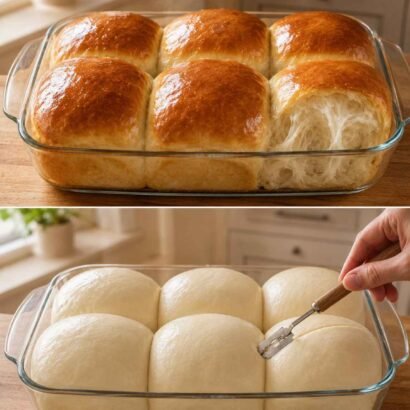
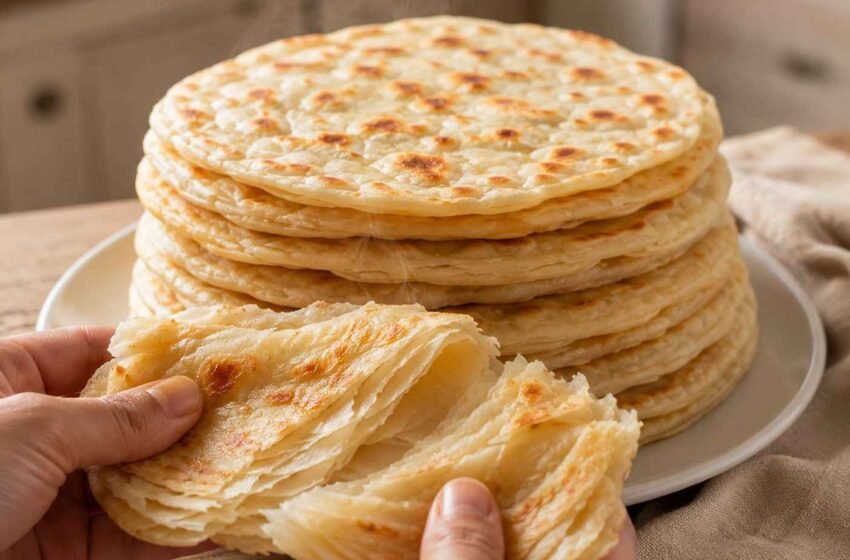
Fresh homemade flatbread is one of the most versatile foods you can make, but many traditional recipes rely on refined flour and offer very little protein. This High-Protein Diabetic-Friendly Soft Layered Flatbread is a healthier alternative that delivers the same soft, flaky, pull-apart texture while using nutrient-dense ingredients that better support balanced blood sugar levels. Each flatbread cooks up beautifully golden with delicate layers that are tender on the inside and lightly crisp on the outside, making it perfect for wraps, sandwiches, dipping, or enjoying on its own.
Unlike conventional flatbreads that are made almost entirely with refined wheat flour, this original recipe combines finely milled oat flour, blanched almond flour, whey protein isolate, oat fiber, and Greek yogurt to create a dough that’s soft, pliable, and naturally higher in protein. Olive oil adds richness without excessive saturated fat, while a simple folding technique creates the beautiful flaky layers shown in the finished bread. The result is a homemade flatbread that’s satisfying, wholesome, and suitable for anyone looking to reduce refined carbohydrates without sacrificing flavor or texture.
Whether you’re preparing healthy breakfasts, wrapping grilled chicken for lunch, serving a side with soup, or using it as a base for homemade pizzas, this layered flatbread is a recipe you’ll return to again and again. It’s freezer-friendly, meal-prep friendly, and easy enough for beginners to master. Best of all, every flatbread contains plenty of protein and fiber to help keep you feeling full longer while delivering the comforting taste of freshly cooked bread.
Why You’ll Love This Recipe
- High in protein with approximately 15–18 grams per flatbread.
- Diabetic-friendly with a lower glycemic impact.
- Soft, flaky, pull-apart layers.
- No refined white flour.
- Rich in fiber for better satiety.
- Perfect for wraps, sandwiches, and dipping.
- Easy to prepare with simple ingredients.
- Freezer-friendly for meal prep.
- Soft and flexible even after cooling.
- Family-friendly and kid-approved.
- Excellent substitute for traditional flatbread.
- Delicious served warm or cold.
Also CheckOut: 30-Day High-Protein Meal Plan for Weight Loss: Easy Recipes, Meal Prep Tips & Complete Nutrition Guide
Equipments
- Large mixing bowl (4-quart) – Provides enough room to mix and knead the dough comfortably.
- Medium mixing bowl (2-quart) – Ideal for combining dry ingredients before incorporating them into the wet ingredients.
- Rolling pin (16–18 inches) – Helps roll the dough into thin, even circles while creating uniform layers.
- Large non-stick skillet or cast-iron pan (10–12 inches) – Produces beautifully golden flatbreads with evenly cooked layers.
- Silicone pastry brush – Used to lightly brush olive oil or melted butter between the dough layers.
- Bench scraper – Makes dividing the dough into equal portions quick and easy.
- Kitchen scale (recommended) – Ensures evenly sized flatbreads for consistent cooking.
- Clean kitchen towel – Keeps the dough covered during resting so it remains soft and easy to work with.
- Measuring cups and measuring spoons – Ensure precise ingredient measurements for consistent results.
- Cooling rack – Allows the finished flatbreads to cool slightly while preventing condensation from softening the crust.
Ingredients
Flatbread Dough
- 2 cups finely milled oat flour
- 1 cup finely blanched almond flour
- ½ cup unflavored whey protein isolate
- ¼ cup oat fiber
- 2 tablespoons ground golden flaxseed
- 2 teaspoons baking powder
- ½ teaspoon xanthan gum
- 1 teaspoon fine sea salt
- 1 cup plain non-fat Greek yogurt
- 2 large eggs
- 2 tablespoons extra virgin olive oil
- ¼ cup warm water (add gradually if needed)
Layering Mixture
- 2 tablespoons extra virgin olive oil
- 1 tablespoon melted light butter (optional)
- ½ teaspoon garlic powder (optional)
- ½ teaspoon dried parsley (optional)
For Cooking
- Olive oil cooking spray or 1 teaspoon olive oil per batch
Ingredients Notes
- Finely Milled Oat Flour
Oat flour provides a soft, tender texture while contributing soluble fiber that supports a lower glycemic response compared to refined white flour. Finely milled oat flour creates smooth, flexible flatbreads with excellent flavor.
- Blanched Almond Flour
Almond flour adds healthy fats, vitamin E, and additional protein while helping create the rich, slightly buttery taste of traditional flatbread. Use finely blanched almond flour for the smoothest dough.
- Whey Protein Isolate
Protein isolate dramatically increases the protein content without making the bread heavy when measured correctly. It also helps the finished flatbread stay soft and satisfying.
- Oat Fiber
Oat fiber improves dough structure while adding almost no digestible carbohydrates. It also contributes to the soft yet sturdy texture needed for rolling and folding.
- Ground Flaxseed
Ground flaxseed provides fiber, omega-3 fatty acids, and a subtle nutty flavor. It also helps bind the dough naturally while improving moisture retention.
- Greek Yogurt
Plain non-fat Greek yogurt replaces much of the fat used in traditional flatbread while adding creaminess, tanginess, and a substantial protein boost. It also creates an exceptionally soft dough.
- Eggs
Eggs strengthen the dough, improve elasticity, and add complete protein. They help create the tender pull-apart layers that resemble traditional laminated flatbread.
- Olive Oil
Extra virgin olive oil enriches the dough and forms delicate layers when brushed between folds. It also contributes heart-healthy monounsaturated fats that fit well into a diabetic-friendly eating plan.
- Baking Powder
Baking powder creates lightness throughout the flatbread, preventing it from becoming dense despite its high-protein ingredients.
- Xanthan Gum
A small amount of xanthan gum improves elasticity and flexibility, making the dough easier to roll while reducing the risk of cracking.
- Warm Water
Warm water hydrates the high-fiber ingredients gradually and helps bring the dough together. Add only as much as needed to achieve a soft, smooth dough that’s easy to knead.
How to Make High-Protein Diabetic-Friendly Soft Layered Flatbread
- Measure all ingredients accurately before beginning. Because this recipe uses a high-protein flour blend instead of traditional wheat flour, precise measurements help create a soft, flexible dough with delicate layers.
- In a large mixing bowl, whisk together the oat flour, almond flour, whey protein isolate, oat fiber, ground flaxseed, baking powder, xanthan gum, and sea salt until every dry ingredient is evenly distributed.
- In a separate bowl, whisk together the Greek yogurt, eggs, and olive oil until smooth and creamy with no visible streaks of egg remaining.
- Gradually pour the wet ingredients into the dry ingredients while stirring with a silicone spatula. Continue mixing until a rough dough begins to form.
- Add the warm water a little at a time, mixing after each addition. Only use enough water for the dough to come together into a soft, slightly tacky ball that is easy to handle without becoming sticky.
- Transfer the dough onto a lightly floured work surface dusted with oat flour. Knead gently for about 5 to 6 minutes, folding and pressing the dough until it becomes smooth, soft, and elastic.
- Shape the dough into a ball and lightly coat the surface with a few drops of olive oil to prevent drying.
- Cover the dough with a clean kitchen towel or plastic wrap and allow it to rest at room temperature for 30 minutes. Resting helps the fibers fully hydrate and makes the dough much easier to roll.
- While the dough rests, stir together the olive oil, optional melted light butter, garlic powder, and dried parsley to prepare the layering mixture.
- Divide the rested dough into 8 equal portions using a bench scraper or kitchen scale for consistent flatbread sizes.
- Roll one portion into a very thin circle approximately 8 to 9 inches in diameter. The thinner the dough, the more delicate and flaky the finished layers will become.
- Lightly brush the surface with a thin layer of the prepared olive oil mixture, making sure the entire surface is evenly coated.
- Starting from one edge, gently roll the dough into a long rope, similar to rolling a cinnamon roll.
- Coil the rope into a tight spiral, tucking the end underneath. This lamination technique creates the beautiful pull-apart layers seen in the finished flatbread.
- Repeat the rolling, brushing, and coiling process with the remaining dough portions.
- Cover all of the dough spirals with the kitchen towel and allow them to rest for another 10 minutes. This relaxes the dough, making the final rolling much easier.
- Roll each spiral into an 8-inch round, pressing gently from the center outward without completely flattening the layers. Aim for an even thickness of about ¼ inch.
- Heat a large non-stick skillet or cast-iron pan over medium heat until evenly hot. Lightly coat the surface with olive oil spray or brush with a very thin layer of olive oil.
- Carefully place one flatbread into the hot skillet. Cook for approximately 2 to 3 minutes on the first side until golden brown spots begin to appear and the bread starts to puff slightly.
- Flip the flatbread using tongs or a spatula and cook the second side for another 2 to 3 minutes until evenly golden with beautiful toasted spots.
- Press gently around the edges using a clean spatula during cooking to encourage even browning and fully cooked layers.
- Transfer the finished flatbread to a cooling rack or plate lined with a clean kitchen towel. Cover lightly with another towel to keep it soft while cooking the remaining flatbreads.
- Repeat the cooking process with the remaining dough portions, lightly greasing the skillet between batches if necessary.
- Immediately after cooking each flatbread, brush lightly with a tiny amount of olive oil or melted light butter if a softer finish is desired.
- Stack the finished flatbreads on a serving plate while still warm. Keeping them stacked helps retain moisture and enhances the soft, layered texture.
- Gently separate one flatbread while warm to reveal the delicate flaky layers that pull apart beautifully, similar to the appearance shown in the reference image.
- Serve warm as wraps, alongside soups, with grilled meats, or simply enjoy with a spread of cottage cheese, hummus, or avocado.
Recipe Information
- Prep Time: 25 minutes
- Rest Time: 40 minutes
- Cook Time: 20 minutes
- Total Time: 1 hour 25 minutes
- Servings: 8 flatbreads
- Cuisine: Mediterranean-Inspired
- Course: Bread, Side Dish
Flavor Profile Breakdown
- Soft, tender pull-apart layers.
- Lightly crisp golden exterior.
- Mild buttery flavor without excess butter.
- Delicate nutty notes from almond flour.
- Subtle tang from Greek yogurt.
- Fresh homemade bread aroma.
- Balanced savory flavor.
- Slight richness from olive oil.
- Fluffy yet sturdy texture.
- Perfectly neutral to pair with sweet or savory fillings.
Pro Tips for Best Results
- Measure ingredients accurately using a kitchen scale whenever possible.
- Allow the dough to rest fully before rolling.
- Roll the dough as thin as possible before creating the spirals.
- Apply only a light coating of oil between layers.
- Cook over medium heat rather than high heat to prevent burning.
- Keep finished flatbreads covered with a towel to maintain softness.
- Avoid adding too much flour while rolling.
- Let the dough relax if it begins shrinking during rolling.
- Use a heavy cast-iron skillet for the most even browning.
- Serve warm for the softest, flakiest texture.
Variations & Substitutions
- Replace Greek yogurt with blended cottage cheese for even more protein.
- Add chopped fresh herbs directly into the dough.
- Sprinkle Everything Bagel seasoning between the layers.
- Mix grated Parmesan into the dough for a savory twist.
- Add ground cumin and coriander for Middle Eastern flavors.
- Replace olive oil with avocado oil.
- Fold finely chopped spinach into the dough.
- Add roasted garlic to the layering mixture.
- Mix sesame seeds into the dough for extra texture.
- Brush with herb-infused olive oil immediately after cooking.
Common Mistakes to Avoid
- Skipping the resting time, making the dough difficult to roll.
- Adding too much flour during kneading.
- Rolling unevenly, causing inconsistent cooking.
- Applying too much oil between layers.
- Cooking over very high heat, burning the exterior before the inside cooks.
- Overcooking until the flatbread becomes dry.
- Forgetting to cover the cooked flatbreads with a towel.
- Using coarse almond flour instead of finely blanched almond flour.
- Rushing the spiral rolling technique.
- Stacking uncooked dough pieces without separating them, causing sticking.
Serving Suggestions
- Serve the flatbreads warm immediately after cooking to enjoy their soft, flaky, pull-apart layers at their very best.
- Pair with grilled chicken, turkey, or lean beef for a complete high-protein diabetic-friendly meal.
- Use as a wrap for grilled vegetables, chicken breast, lettuce, tomatoes, and creamy Greek yogurt sauce.
- Enjoy alongside a bowl of high-protein lentil soup or chicken vegetable soup for a satisfying lunch.
- Spread with low-fat cottage cheese and top with sliced cucumbers, tomatoes, and fresh herbs for a protein-rich breakfast.
- Serve with homemade hummus or roasted red pepper dip for a wholesome appetizer.
- Use as a healthier alternative to naan alongside diabetic-friendly curries or stews.
- Fill with scrambled eggs, spinach, and reduced-fat cheese for a high-protein breakfast wrap.
- Cut into wedges and toast lightly for dipping into soups and salads.
- Brush lightly with garlic herb olive oil immediately before serving for extra flavor and aroma.
Storage & Reheating Tips
- Allow the flatbreads to cool completely before storing.
- Stack them with parchment paper between each flatbread to prevent sticking.
- Store in an airtight container at room temperature for up to 2 days.
- Refrigerate for up to 5 days for maximum freshness.
- Freeze individual flatbreads in freezer-safe bags for up to 3 months.
- Thaw overnight in the refrigerator or at room temperature before reheating.
- Reheat in a dry skillet over medium heat for 30–60 seconds per side to restore softness.
- Microwave for 10–15 seconds wrapped in a slightly damp paper towel if a softer texture is preferred.
- Avoid overheating, as excessive heat may dry out the protein-rich dough.
- Store away from direct sunlight and moisture to maintain freshness.
Nutrition Information (Approximate)
- Calories: 226 kcal
- Protein: 16 g
- Carbohydrates: 12 g
- Fat: 12 g
- Fiber: 5 g
- Sugar: 2 g
- Sodium: 248 mg
Final Thoughts
This High-Protein Diabetic-Friendly Soft Layered Flatbread transforms a traditional favorite into a healthier everyday staple without sacrificing the soft, flaky texture everyone loves. The combination of oat flour, almond flour, Greek yogurt, and whey protein isolate creates beautifully layered flatbreads that are tender enough for wraps while remaining sturdy enough for sandwiches, dipping, or serving alongside your favorite meals.
Unlike conventional flatbreads made primarily with refined flour, this recipe offers substantially more protein and fiber, making it a more satisfying option that supports balanced blood sugar levels and long-lasting fullness. The simple lamination technique creates delicate layers that separate beautifully, giving each flatbread a bakery-quality appearance that’s both impressive and surprisingly easy to achieve at home.
Whether you’re preparing meals for the week, serving a healthy family dinner, or looking for a versatile homemade bread recipe, these soft layered flatbreads deserve a permanent place in your kitchen. They’re freezer-friendly, easy to customize, and pair wonderfully with countless sweet and savory fillings.
FAQs
Can people with diabetes enjoy these flatbreads?
Yes. These flatbreads are made with high-protein, high-fiber ingredients and contain significantly fewer refined carbohydrates than traditional flatbread recipes. They can be enjoyed as part of a balanced meal while monitoring portion sizes.
Why is this flatbread high in protein?
The combination of whey protein isolate, Greek yogurt, almond flour, eggs, and oat flour provides considerably more protein than standard flatbread recipes.
Can I replace whey protein isolate?
Yes. Unflavored pea protein or another high-quality protein powder can be substituted, although you may need a small amount of additional water to achieve the proper dough consistency.
Can I make these flatbreads gluten-free?
Yes. Use certified gluten-free oat flour and ensure all remaining ingredients are certified gluten-free if necessary.
Why does the dough need to rest twice?
The first rest hydrates the high-fiber ingredients, while the second allows the coiled dough to relax before final rolling, producing softer, flakier layers.
Can I cook these on an outdoor griddle?
Absolutely. A flat-top grill or cast-iron griddle produces excellent browning and evenly cooked layers.
Can I freeze the cooked flatbreads?
Yes. Freeze them individually with parchment paper between each flatbread for easy reheating later.
Why are my flatbreads cracking while rolling?
The dough is usually too dry. Add a teaspoon of warm water at a time during mixing until the dough becomes soft and pliable.
Can I use these for sandwiches and wraps?
Yes. They remain soft and flexible after cooling, making them ideal for wraps, sandwiches, breakfast burritos, and meal prep lunches.
How do I keep the flatbreads soft after cooking?
Stack them immediately after cooking and cover them with a clean kitchen towel. This traps gentle steam and keeps the layers tender and flexible.