
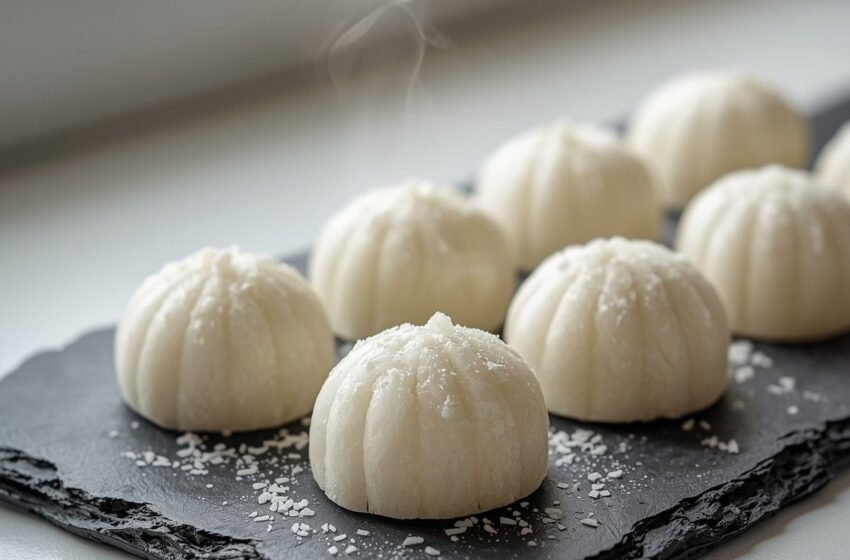
Traditional Glutinous Rice Cakes are a timeless Asian dessert that delivers a delightful chew, subtle sweetness, and a comforting texture that’s loved across generations. These soft, sticky cakes are made with glutinous rice flour, which gives them that signature elastic bite that’s both fun to eat and deeply satisfying. Often enjoyed with tea or as part of festive celebrations, these treats strike a beautiful balance between simplicity and texture-driven delight. Unlike regular rice or wheat dough desserts, glutinous rice cakes offer a dense, tender chew that keeps you coming back for another piece — especially when they’re freshly made and still warm. With just a handful of ingredients and straightforward steps, this recipe brings the experience of classic rice cakes into your kitchen with ease. Perfect for snack time, dessert, or sharing with family, they showcase how humble ingredients can create something truly special.
Why You’ll Love This Recipe
- Soft, chewy texture that’s satisfyingly tender
- Simple ingredients with rich flavor potential
- Great for tea time or dessert
- Easy to make at home with basic pantry items
- Fun treat for all ages
30-Day High-Protein Meal Plan for Weight Loss: Easy Recipes, Meal Prep Tips & Complete Nutrition Guide
Ingredients
- 2 cups glutinous rice flour (sweet rice flour)
- ¼ cup granulated sugar
- Pinch of salt
- 1 ½ cups water (adjust as needed)
- 1 tsp vanilla extract (optional)
- Cornstarch or extra glutinous rice flour for dusting
How to Make Traditional Glutinous Rice Cakes (Mochi-Style Treats)
- In a mixing bowl, combine glutinous rice flour, sugar, and salt until evenly distributed.
- Gradually add water while stirring to form a thick, smooth batter without lumps.
- Stir in vanilla extract if using for a hint of aromatic sweetness.
- Pour the batter into a greased heatproof dish or pan lined with parchment paper.
- Steam the batter over boiling water for about 20–25 minutes until the rice cake sets and becomes translucent and tender.
- Remove the dish from the steamer and let the rice cake cool slightly.
- Dust your hands and a cutting board with cornstarch or extra rice flour to prevent sticking.
- Transfer the steamed rice cake onto the dusted board and cut into bite-sized pieces.
- Optionally roll each piece in additional cornstarch to keep them from sticking together.
- Serve warm or at room temperature with tea or your favorite dipping sauce.
Recipe Information
Prep Time: 10 minutes
Cook Time (Steaming): 25 minutes
Total Time: 35 minutes
Servings: 8–10
Cuisine: Asian / Traditional
Course: Dessert / Snack
Flavor Profile Breakdown
- Mellow sweet flavor from sugar
- Soft, chewy glutinous rice texture
- Subtle vanilla fragrance (if used)
- Light, tender interior
- Clean, understated sweetness
Pro Tips for Best Results
- Use glutinous rice flour — regular rice flour won’t give the same texture.
- Dust work surface well to prevent sticking.
- Adjust water slowly — batter should be thick yet pourable.
- Steam in a well-covered steamer to retain heat and cook evenly.
- Let cake rest before cutting to make cleaner slices.
Variations & Substitutions
- Add a touch of matcha powder for green tea flavor.
- Mix in sweet red bean paste for filled rice cakes.
- Roll cakes in shredded coconut for extra texture.
- Add pandan extract for fragrant color and aroma.
- Drizzle with condensed milk for extra sweetness.
Common Mistakes to Avoid
- Using too much water — makes rice cakes gummy.
- Not dusting board enough — cakes will stick and tear.
- Oversteaming — results in very soft, sticky texture.
- Cutting while hot — pieces won’t hold shape.
- Skipping vanilla — subtle flavor lift is worth it.
Serving Suggestions
- Enjoy with hot green tea or jasmine tea.
- Serve with sweet red bean dipping sauce.
- Pair with fresh fruit slices for refreshing contrast.
- Add toasted sesame seeds on top before serving.
- Offer as part of a dessert platter with mochi ice cream.
Storage & Reheating Tips
- Store cooled rice cakes in an airtight container up to 2 days at room temperature.
- Refrigerate up to 4 days if you prefer chilled texture.
- Reheat leftover pieces with a quick steam to refresh chewiness.
- Freeze individual pieces dusted with cornstarch up to 1 month.
- Thaw at room temperature and steam gently before serving.
Nutrition Information (Approximate)
Calories: 130 kcal
Protein: 1 g
Carbohydrates: 28 g
Fat: 0.5 g
Fiber: 0.5 g
Sugar: 8 g
Sodium: 35 mg
Final Thoughts
Traditional Glutinous Rice Cakes are a simple yet deeply satisfying treat that brings a beloved texture and gentle sweetness to your table. With minimal ingredients and straightforward steps, you can enjoy this classic dessert’s chewy charm at home — perfect for tea time, celebrations, or anytime you crave a comforting bite. Their tender chew and understated flavor make them a versatile and delightful addition to your recipe collection.
FAQs
What is glutinous rice flour?
It’s a finely milled flour made from sticky rice that gives foods a chewy, elastic texture.
Is this dessert gluten-free?
Yes — glutinous rice flour is naturally gluten-free, but check labels if you have celiac concerns.
Can I make flavored rice cakes?
Absolutely — add matcha, pandan, or even fruit purees for variety.
How do I prevent sticking while cutting?
Dust your hands and board with cornstarch or extra rice flour before cutting.
Can I eat these cold?
Yes — chilled pieces have a firmer chewy texture that many enjoy.

