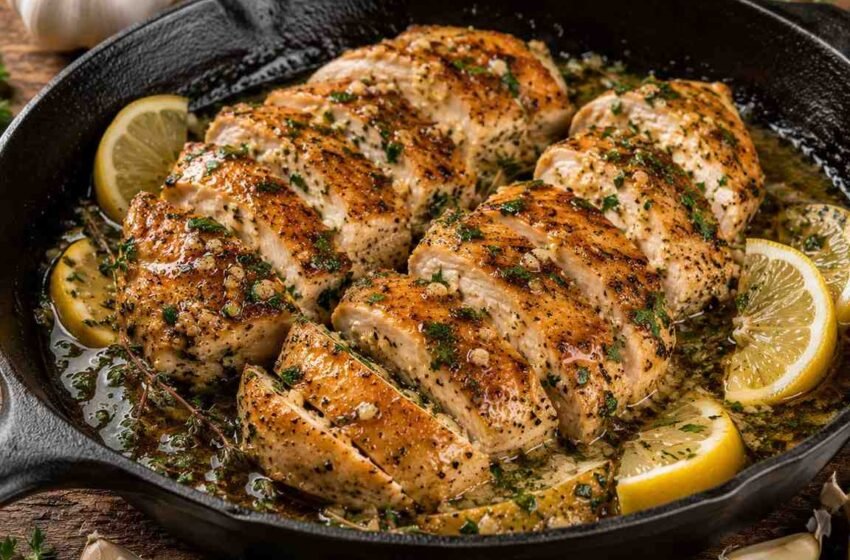
If you’re searching for a healthy chicken dinner that’s packed with flavor while remaining simple enough for busy weeknights, this High-Protein Diabetic-Friendly Garlic Butter Chicken deserves a place on your menu. Tender, juicy chicken breasts are seasoned with a blend of herbs and spices before being pan-seared until golden brown and finished in a light garlic butter sauce infused with fresh herbs and lemon. The result is a satisfying meal that’s rich in protein, naturally low in carbohydrates, and full of comforting flavors.
Unlike many garlic butter chicken recipes that rely on heavy amounts of butter, sugar-based glazes, or creamy sauces, this healthier version focuses on lean chicken breast, heart-healthy olive oil, a moderate amount of butter, fresh garlic, and aromatic herbs. The light garlic butter sauce enhances the natural flavor of the chicken without overwhelming it, making this recipe suitable for people following a diabetic-friendly eating plan or anyone looking to enjoy a balanced, wholesome dinner.
Whether you’re cooking for your family, preparing healthy lunches for the week, or looking for an impressive yet effortless meal for guests, this recipe is a fantastic choice. It requires minimal preparation, uses everyday pantry ingredients, and comes together in less than an hour. Pair it with roasted vegetables, cauliflower mash, or a fresh salad for a complete meal that’s both nutritious and incredibly satisfying.
Why You’ll Love This Recipe
- High in lean protein to support muscle health and lasting fullness.
- Made with diabetic-friendly ingredients and no added sugar.
- Naturally low in carbohydrates.
- Juicy, tender chicken with a flavorful garlic butter herb sauce.
- Ready in under 40 minutes.
- Perfect for meal prep and busy weeknights.
- Made in one skillet for easy cleanup.
- Rich in fresh herbs and garlic.
- Family-friendly and easy to customize.
- Pairs well with a variety of healthy side dishes.
Also CheckOut: 30-Day High-Protein Meal Plan for Weight Loss: Easy Recipes, Meal Prep Tips & Complete Nutrition Guide
Equipments
- Large Cast Iron Skillet or Stainless Steel Skillet (12-inch) – Ideal for achieving a golden crust while evenly cooking the chicken.
- Large Cutting Board – Provides plenty of room for trimming and preparing the chicken.
- Chef’s Knife (8-inch) – Perfect for trimming chicken and slicing herbs.
- Measuring Cups – Ensures accurate measurements for broth and other ingredients.
- Measuring Spoons – Keeps seasoning proportions consistent.
- Kitchen Tongs – Makes flipping the chicken easy without piercing the meat.
- Instant-Read Meat Thermometer – Ensures the chicken reaches a safe internal temperature of 165°F (74°C).
- Small Mixing Bowl – Used for combining the seasoning blend before coating the chicken.
- Silicone Spatula or Wooden Spoon – Helps scrape flavorful browned bits from the skillet while preparing the sauce.
- Aluminum Foil – Keeps the cooked chicken warm while preparing the garlic butter sauce.
Ingredients
For the Chicken
- 4 boneless, skinless chicken breasts (about 6 ounces each)
- 1 tablespoon extra virgin olive oil
- 1 tablespoon unsalted butter
- 1 teaspoon smoked paprika
- 1 teaspoon garlic powder
- 1 teaspoon onion powder
- 1 teaspoon Italian seasoning
- ½ teaspoon dried thyme
- ½ teaspoon sea salt
- ¼ teaspoon freshly ground black pepper
For the Garlic Butter Sauce
- 1 tablespoon unsalted butter
- 5 garlic cloves, finely minced
- ½ cup low-sodium chicken broth
- 1 tablespoon fresh lemon juice
- 1 teaspoon Dijon mustard (optional)
- 1 teaspoon chopped fresh parsley
- 1 teaspoon chopped fresh thyme
- ¼ teaspoon crushed red pepper flakes (optional)
Optional Garnishes
- Fresh chopped parsley
- Lemon wedges
- Thinly sliced green onions
- Fresh thyme sprigs
Ingredient Notes
Boneless Skinless Chicken Breasts
- Chicken breast is one of the leanest and highest-quality protein sources available, making it ideal for diabetic-friendly meals and high-protein diets. It cooks quickly while remaining tender when prepared properly.
- Choose chicken breasts of similar size for even cooking.
- If the chicken breasts are especially thick, gently pound them to an even thickness for consistent results.
Extra Virgin Olive Oil
- Olive oil provides heart-healthy monounsaturated fats while helping create a beautiful golden crust on the chicken.
- A small amount is enough to prevent sticking and add richness.
- Choose high-quality extra virgin olive oil for the best flavor.
Unsalted Butter
- Butter contributes richness and creates the signature garlic butter flavor while using only a moderate amount keeps the recipe lighter.
- Unsalted butter allows better control over the sodium level.
- Add the butter after the chicken begins browning to reduce the risk of burning.
Fresh Garlic
- Fresh garlic is the star ingredient of the sauce, providing bold, aromatic flavor that perfectly complements the chicken.
- Finely mince the garlic to ensure even distribution throughout the sauce.
- Fresh garlic produces a much brighter flavor than jarred garlic.
Smoked Paprika
- Smoked paprika adds a subtle smoky flavor while giving the chicken a beautiful golden color.
- It enhances the natural savoriness of the chicken without adding heat.
- Sweet paprika may be substituted if preferred.
Garlic Powder
- Garlic powder reinforces the fresh garlic in the sauce while evenly seasoning the chicken.
- It creates a deeper garlic flavor without overpowering the dish.
- Use fresh garlic in the sauce rather than replacing the powder completely.
Onion Powder
- Onion powder provides gentle sweetness and savory depth that blends beautifully with the herbs.
- It distributes evenly across the chicken during seasoning.
- Avoid substituting with onion salt, which may make the dish overly salty.
Italian Seasoning
- Italian seasoning combines oregano, basil, rosemary, thyme, and marjoram into one convenient blend.
- It gives the chicken a balanced Mediterranean-inspired flavor.
- Fresh herbs may also be used if available.
Dried Thyme
- Thyme contributes earthy, slightly minty notes that pair perfectly with garlic and butter.
- It enhances the savory flavor without dominating the dish.
- Fresh thyme can be substituted using three times the amount.
Low-Sodium Chicken Broth
- Chicken broth forms the base of the light pan sauce while keeping the chicken moist.
- Low-sodium broth lets you control the salt content more precisely.
- Homemade broth works exceptionally well.
Fresh Lemon Juice
- Lemon juice brightens the garlic butter sauce and balances its richness.
- Freshly squeezed juice provides a much cleaner flavor than bottled varieties.
- Add the lemon juice near the end of cooking to preserve its freshness.
Dijon Mustard
- Dijon mustard is optional but adds subtle tanginess and helps emulsify the sauce.
- It deepens the overall flavor without making the sauce taste like mustard.
- Only a small amount is needed.
Fresh Parsley
- Parsley adds vibrant color and fresh herbal flavor that contrasts beautifully with the rich garlic butter.
- Sprinkle it over the finished dish immediately before serving.
- Flat-leaf parsley provides the best flavor.
Crushed Red Pepper Flakes
- Red pepper flakes provide a gentle warmth without overwhelming the garlic butter flavor.
- Adjust the quantity to your preferred spice level.
- Omit if serving guests who prefer mild dishes.
How to Make High-Protein Diabetic-Friendly Garlic Butter Chicken
- Remove the chicken breasts from the refrigerator about 15 minutes before cooking to allow them to come closer to room temperature for more even cooking.
- Pat each chicken breast completely dry with paper towels. Removing excess moisture helps create a beautifully browned crust during searing.
- If the chicken breasts are unevenly thick, gently pound them between two sheets of plastic wrap until they are approximately ¾ inch thick. This promotes even cooking and prevents dry edges.
- In a small bowl, combine the smoked paprika, garlic powder, onion powder, Italian seasoning, dried thyme, sea salt, and black pepper. Stir well to evenly distribute the seasonings.
- Drizzle the chicken breasts with olive oil and rub it evenly over both sides.
- Sprinkle the seasoning mixture generously over every side of the chicken, gently pressing it into the surface so it adheres well.
- Heat a large cast iron skillet over medium-high heat until hot. Add the olive oil and one tablespoon of butter, allowing the butter to melt completely.
- Carefully place the seasoned chicken breasts into the skillet, leaving space between each piece so they brown properly instead of steaming.
- Cook the chicken undisturbed for 5 to 6 minutes until a deep golden crust develops. Avoid moving the chicken during this stage to maximize browning.
- Flip the chicken using kitchen tongs and continue cooking for another 5 to 6 minutes until both sides are evenly browned and the internal temperature reaches 165°F (74°C).
- Transfer the cooked chicken to a clean plate and loosely cover it with aluminum foil to keep it warm while preparing the sauce.
- Reduce the heat to medium and add the remaining tablespoon of butter directly to the skillet.
- Once melted, add the minced garlic and stir continuously for 30 to 45 seconds until fragrant. Be careful not to let the garlic brown, as it can become bitter.
- Pour the low-sodium chicken broth into the skillet while scraping the browned bits from the bottom using a wooden spoon. These flavorful bits enrich the sauce naturally.
- Stir in the fresh lemon juice and Dijon mustard, if using, until the sauce becomes smooth and well combined.
- Allow the sauce to simmer gently for 3 to 4 minutes, reducing slightly and concentrating the flavors.
- Stir in the fresh parsley, chopped thyme, and crushed red pepper flakes if desired.
- Return the cooked chicken breasts to the skillet and spoon the warm garlic butter sauce repeatedly over each piece, allowing the chicken to absorb the flavors.
- Simmer everything together for 2 to 3 minutes, turning the chicken once so both sides are coated in the flavorful sauce.
- Remove from the heat, garnish with fresh parsley, thyme sprigs, green onions, and lemon wedges, then serve immediately with your favorite diabetic-friendly side dishes.
Recipe Information
- Prep Time: 15 minutes
- Cook Time: 20 minutes
- Total Time: 35 minutes
- Servings: 4
- Cuisine: American
- Course: Main Course, Dinner
Flavor Profile Breakdown
- Savory: Perfectly seasoned chicken breasts deliver a rich, satisfying flavor enhanced by aromatic herbs and garlic.
- Buttery: A light garlic butter sauce coats every piece of chicken, creating a silky finish without making the dish overly heavy.
- Garlicky: Fresh minced garlic provides bold flavor while blending beautifully with herbs and butter.
- Bright & Citrusy: Fresh lemon juice balances the richness of the butter and enhances the overall freshness of the dish.
- Herbaceous: Italian seasoning, thyme, and parsley provide layers of earthy Mediterranean-inspired flavor that complement the juicy chicken.
Pro Tips for Best Results
- Use chicken breasts of equal thickness for even cooking and consistent results.
- Pat the chicken completely dry before seasoning to create a beautiful golden crust.
- Allow the chicken to rest before cooking for about 15 minutes after removing it from the refrigerator.
- Avoid moving the chicken too soon while searing to develop proper caramelization.
- Use an instant-read thermometer to ensure the chicken reaches exactly 165°F (74°C).
- Cook garlic over medium heat only to prevent bitterness.
- Scrape the browned bits from the skillet when adding broth to create a richer sauce.
- Finish with fresh herbs after cooking for the brightest flavor.
- Let the chicken rest for five minutes before slicing to preserve its juices.
- Serve immediately while the garlic butter sauce is warm and glossy.
Variations & Substitutions
- Use boneless skinless chicken thighs for a juicier alternative while maintaining high protein.
- Replace chicken breasts with turkey breast cutlets for another lean protein option.
- Add sliced mushrooms to the garlic butter sauce for extra texture and nutrients.
- Stir fresh spinach into the sauce during the last minute of cooking for added vitamins.
- Use avocado oil instead of olive oil if preferred for higher-heat cooking.
- Add grated Parmesan cheese over the finished chicken for extra savory flavor.
- Replace parsley with fresh basil for a slightly sweeter herb profile.
- Add roasted asparagus directly to the skillet before serving.
- Mix in fresh rosemary for deeper herbal notes.
- Serve over cauliflower mash instead of traditional mashed potatoes for a lower-carbohydrate meal.
Common Mistakes to Avoid
- Using cold chicken directly from the refrigerator can lead to uneven cooking.
- Overcrowding the skillet prevents proper browning and creates steamed chicken instead of a golden crust.
- Cooking over excessively high heat may burn the garlic before the chicken finishes cooking.
- Skipping the resting period after cooking causes valuable juices to escape.
- Overcooking the chicken results in dry, tough meat.
- Adding lemon juice too early may reduce its fresh, vibrant flavor.
- Using salted butter without adjusting the seasoning can make the dish overly salty.
- Not scraping the skillet after searing leaves behind flavorful browned bits that should become part of the sauce.
- Using bottled lemon juice instead of fresh may produce a less vibrant taste.
- Adding too much butter can overpower the natural flavor of the chicken.
Serving Suggestions
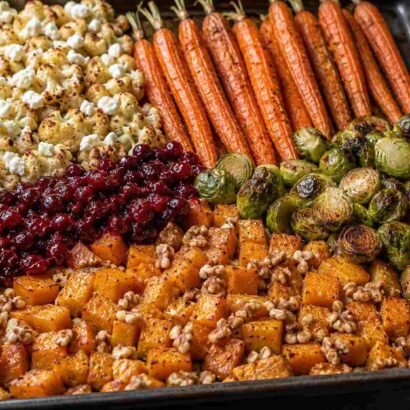
- Serve with roasted broccoli and cauliflower for a complete low-carbohydrate meal.
- Pair with garlic roasted asparagus and green beans.
- Serve over creamy cauliflower mash.
- Enjoy alongside a fresh spinach salad with cucumbers and cherry tomatoes.
- Pair with roasted Brussels sprouts for extra fiber.
- Serve with grilled zucchini and yellow squash.
- Add a side of quinoa if additional whole grains are desired.
- Garnish with extra fresh parsley and lemon wedges.
- Pair with sautéed mushrooms for additional savory flavor.
- Finish with freshly cracked black pepper immediately before serving.
Storage & Reheating Tips
- Store leftovers in an airtight container in the refrigerator for up to 4 days.
- Keep the garlic butter sauce with the chicken to maintain moisture.
- Freeze cooked chicken for up to 3 months.
- Thaw overnight in the refrigerator before reheating.
- Reheat gently in a skillet over medium-low heat with a splash of chicken broth.
- Microwave individual portions in 30-second intervals until heated through.
- Avoid overheating, which can dry out the chicken.
- Add fresh parsley after reheating for the best flavor.
- Store side dishes separately for maximum freshness.
- Do not refreeze previously thawed chicken.
Nutrition Information (Approximate)
- Calories: 295 kcal
- Protein: 42 g
- Carbohydrates: 4 g
- Fat: 12 g
- Fiber: 1 g
- Sugar: 1 g
- Sodium: 365 mg
Final Thoughts
This High-Protein Diabetic-Friendly Garlic Butter Chicken proves that simple ingredients can produce restaurant-quality flavor while supporting a healthy lifestyle. Lean chicken breasts, fresh garlic, aromatic herbs, and a light buttery sauce come together to create a satisfying meal that’s rich in protein, naturally low in carbohydrates, and suitable for busy weeknights.
One of the greatest strengths of this recipe is its versatility. It pairs beautifully with roasted vegetables, fresh salads, cauliflower mash, or other wholesome side dishes, making it easy to customize for your family’s preferences. The light garlic butter sauce adds just enough richness to elevate the chicken without relying on sugary glazes or heavy cream-based sauces.
Whether you’re following a diabetic-friendly meal plan, increasing your daily protein intake, or simply searching for a dependable chicken recipe that everyone will enjoy, this dish delivers every time. It’s quick to prepare, easy to meal prep, and elegant enough to serve for special occasions while remaining practical enough for everyday dinners.
FAQs
Can I prepare the chicken ahead of time?
Yes. You can season the chicken up to 24 hours in advance and keep it covered in the refrigerator until ready to cook.
Is this recipe suitable for people with diabetes?
Yes. This recipe is made with lean protein, healthy fats, and no added sugars, making it a diabetic-friendly option. Individual nutritional needs vary, so portion sizes should be adjusted according to your healthcare provider’s recommendations.
Can I cook this chicken in the oven instead?
Absolutely. Bake the seasoned chicken at 400°F (200°C) for approximately 20–25 minutes or until the internal temperature reaches 165°F (74°C).
Can I use chicken thighs instead of chicken breasts?
Yes. Boneless, skinless chicken thighs provide a slightly juicier texture while remaining an excellent source of protein.
How do I know when the chicken is fully cooked?
The safest method is using an instant-read thermometer. The thickest part of the chicken should register 165°F (74°C).
Can I freeze this recipe?
Yes. Store cooled chicken and sauce in airtight freezer-safe containers for up to three months.
What vegetables pair best with this recipe?
Broccoli, asparagus, cauliflower, green beans, Brussels sprouts, spinach, zucchini, and mushrooms all pair beautifully with the garlic butter sauce.
Can I make this dairy-free?
Yes. Replace the butter with a dairy-free butter alternative or use additional olive oil while maintaining the same cooking method.