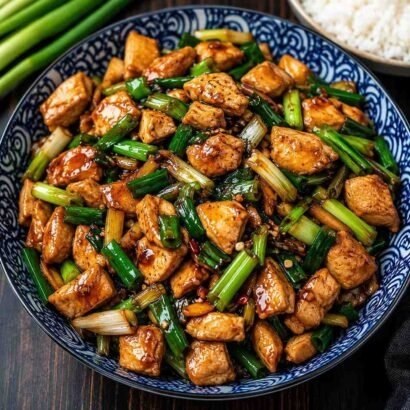
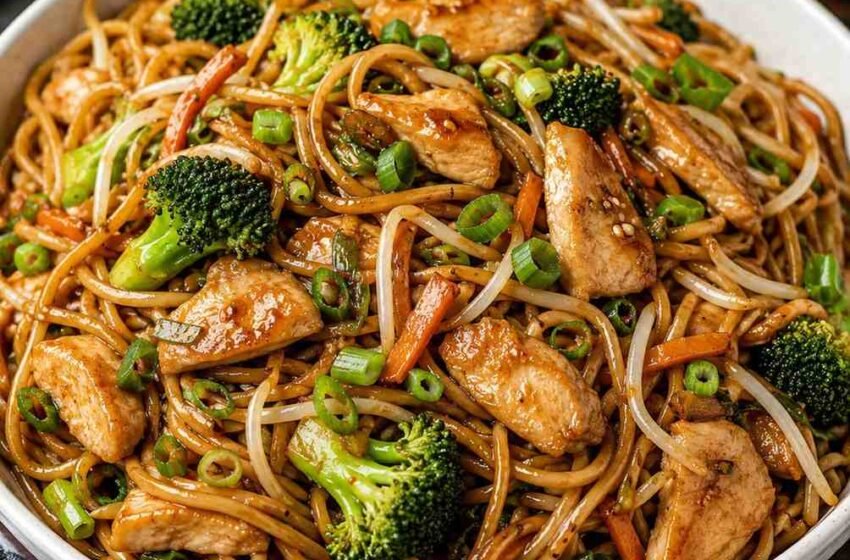
Craving the comforting flavors of takeout without the extra carbohydrates and hidden sugars? This Diabetic High-Protein Garlic Chicken Lo Mein is a healthier homemade version that delivers everything you love about classic lo mein while supporting a balanced lifestyle. Tender slices of lean chicken breast are stir-fried with crisp vegetables, protein-packed high-fiber noodles, fresh garlic, and ginger, then coated in a savory homemade sauce that’s lower in sugar and sodium than traditional restaurant recipes.
Classic lo mein often contains refined noodles, sugary sauces, and excessive oil, making it less suitable for people managing blood sugar levels. This diabetic-friendly version swaps traditional noodles for high-protein, high-fiber lo mein or whole wheat lo mein noodles, replaces sugary hoisin sauce with a sugar-free alternative, and uses reduced-sodium soy sauce. The result is a satisfying meal that’s rich in protein, lower in carbohydrates, and full of fresh vegetables.
Whether you’re preparing a quick weeknight dinner, planning healthy lunches for the week, or simply looking for a better takeout alternative, this Garlic Chicken Lo Mein is an excellent choice. It’s colorful, flavorful, and ready in about 30 minutes. Best of all, every serving is packed with lean protein, fresh vegetables, and bold garlic flavor that the whole family will enjoy.
Why You’ll Love This Recipe
- High in lean protein from chicken breast.
- Diabetic-friendly with lower carbohydrates.
- Better than takeout with fresh ingredients.
- Ready in about 30 minutes.
- Rich garlic and ginger flavor.
- Loaded with colorful vegetables.
- Perfect for meal prep.
- Family-friendly and customizable.
- Lower in sugar than traditional lo mein.
- Balanced, filling, and nutritious.
Equipments
- Large wok or 12-inch nonstick skillet for stir-frying ingredients evenly.
- Large pot (5 to 6-quart) for cooking the noodles.
- Colander for draining the cooked noodles.
- Medium mixing bowl (2-quart) for marinating the chicken.
- Small mixing bowl for preparing the stir-fry sauce.
- Cutting board (large) for slicing chicken and vegetables.
- Sharp chef’s knife (8-inch).
- Measuring cups for vegetables and noodles.
- Measuring spoons for sauces and seasonings.
- Silicone spatula or wooden spoon for tossing the stir-fry.
- Kitchen tongs for turning the chicken.
Also CheckOut: 30-Day High-Protein Meal Plan for Weight Loss: Easy Recipes, Meal Prep Tips & Complete Nutrition Guide
Ingredients
For the Chicken
- 1 pound boneless, skinless chicken breast, thinly sliced
- 1 tablespoon reduced-sodium soy sauce
- 1 teaspoon arrowroot powder or cornstarch
- ½ teaspoon black pepper
- ½ teaspoon garlic powder
For the Lo Mein
- 8 ounces high-protein whole wheat lo mein noodles
- 2 cups broccoli florets
- 1 cup bean sprouts
- ½ cup sliced green onions
- 1 cup sliced mushrooms
- ½ cup shredded carrots
- 2 cloves garlic, minced
- 1 tablespoon fresh ginger, grated
- 1 tablespoon avocado oil
For the Garlic Sauce
- 2 tablespoons reduced-sodium soy sauce
- 1 tablespoon sugar-free oyster sauce
- 1 tablespoon sugar-free hoisin sauce
- 1 teaspoon toasted sesame oil
- 2 tablespoons low-sodium chicken broth
- 1 teaspoon rice vinegar
- 1 teaspoon monk fruit sweetener
- ½ teaspoon arrowroot powder
- ¼ teaspoon crushed red pepper flakes (optional)
Optional Garnishes
- Extra sliced green onions
- Toasted sesame seeds
- Fresh cilantro
- Lime wedges
Ingredients Notes
- Chicken Breast
Lean chicken breast provides high-quality protein while keeping saturated fat low. Slice the chicken thinly across the grain so it cooks quickly and remains tender. - High-Protein Whole Wheat Lo Mein Noodles
High-protein or whole wheat lo mein noodles provide additional fiber and protein while helping reduce the glycemic impact compared to traditional refined noodles. - Broccoli
Broccoli adds fiber, vitamin C, and antioxidants while providing satisfying crunch and vibrant color. Cut the florets into bite-sized pieces for quick cooking. - Bean Sprouts
Bean sprouts contribute freshness and crisp texture while remaining naturally low in calories and carbohydrates. - Green Onions
Green onions add mild onion flavor and bright color. Reserve some for garnishing after cooking. - Garlic
Fresh garlic is essential for bold flavor. Finely mince it so it distributes evenly throughout the sauce. - Fresh Ginger
Ginger adds warmth, freshness, and authentic Asian-inspired flavor that complements the garlic beautifully.
- Reduced-Sodium Soy Sauce
Using reduced-sodium soy sauce lowers overall sodium while maintaining the classic savory flavor. - Sugar-Free Hoisin Sauce
Traditional hoisin contains significant added sugar. A sugar-free version keeps the recipe diabetic-friendly while preserving authentic taste. - Sugar-Free Oyster Sauce
This ingredient contributes rich umami flavor without unnecessary added sugar. - Sesame Oil
Toasted sesame oil adds deep nutty aroma. Use only a small amount because its flavor is very concentrated. - Avocado Oil
Avocado oil has a high smoke point, making it perfect for stir-frying while providing heart-healthy fats.
How to Make Diabetic High-Protein Garlic Chicken Lo Mein
- Bring a large pot of lightly salted water to a boil. Cook the high-protein whole wheat lo mein noodles according to the package directions until just tender. Drain immediately, rinse briefly under cool water, and toss with a few drops of sesame oil to prevent sticking.
- Place the sliced chicken breast into a medium bowl. Add the reduced-sodium soy sauce, arrowroot powder, garlic powder, and black pepper. Toss until every piece is evenly coated and allow the chicken to marinate for 15 minutes.
- While the chicken marinates, whisk together the reduced-sodium soy sauce, sugar-free oyster sauce, sugar-free hoisin sauce, sesame oil, chicken broth, rice vinegar, monk fruit sweetener, arrowroot powder, and crushed red pepper flakes until smooth. Set aside.
- Wash and prepare all the vegetables before heating the wok. Slice the mushrooms, shred the carrots, chop the green onions, mince the garlic, grate the ginger, and cut the broccoli into bite-sized florets.
- Heat the avocado oil in a large wok or nonstick skillet over medium-high heat until shimmering.
- Add the marinated chicken in a single layer and cook undisturbed for about 2 minutes before stirring. Continue cooking until the chicken is lightly browned and nearly cooked through.
- Push the chicken to one side of the wok. Add the minced garlic and grated ginger, stirring continuously for about 30 seconds until fragrant.
- Add the broccoli, mushrooms, and carrots. Stir-fry for 3 to 4 minutes until the vegetables become slightly tender while maintaining a crisp texture.
- Add the bean sprouts and the white portions of the green onions. Stir everything together for another minute.
- Pour the prepared garlic sauce over the chicken and vegetables. Stir continuously until the sauce begins to bubble and lightly thicken, coating every ingredient evenly.
- Add the cooked lo mein noodles to the wok. Using tongs, gently toss the noodles with the chicken, vegetables, and sauce until everything is thoroughly combined.
- Add the green portions of the scallions during the final minute of cooking, tossing gently to preserve their fresh flavor and vibrant color.
- Continue tossing the noodles gently for another 2 to 3 minutes so they fully absorb the garlic sauce without becoming overcooked. Every strand should be lightly coated with the glossy sauce.
- Taste the lo mein and adjust the seasoning if needed. Add a small splash of reduced-sodium soy sauce for additional savory flavor or a squeeze of fresh lime juice to brighten the dish.
- Sprinkle the remaining sliced green onions over the noodles and toss gently for about 30 seconds. Keeping the scallions slightly crisp provides the best texture and fresh flavor.
- Remove the wok from the heat immediately once the chicken reaches an internal temperature of 165°F (74°C). Avoid prolonged cooking, as this can dry out the chicken and soften the vegetables too much.
- Garnish with toasted sesame seeds, chopped cilantro, and additional sliced green onions for extra freshness and visual appeal.
- Serve immediately while hot alongside steamed broccoli, sautéed bok choy, or cauliflower rice for a complete diabetic-friendly meal.
- If meal prepping, divide the lo mein evenly into airtight containers and allow it to cool completely before refrigerating.
Recipe Information
- Prep Time: 15 minutes
- Marinating Time: 15 minutes
- Cook Time: 15 minutes
- Total Time: 45 minutes
- Servings: 4
- Cuisine: Asian-Inspired
- Course: Lunch, Dinner, Main Course
Flavor Profile Breakdown
- Savory
Reduced-sodium soy sauce and sugar-free oyster sauce create a rich umami base. - Garlicky
Fresh garlic delivers bold flavor throughout every bite. - Aromatic
Fresh ginger and sesame oil provide authentic Asian-inspired aroma. - Slightly Sweet
Monk fruit sweetener balances the savory sauce without refined sugar. - Fresh
Green onions and bean sprouts add crisp freshness. - Nutty
Toasted sesame oil contributes a warm, roasted finish.
Pro Tips for Best Results
- Slice the chicken evenly for uniform cooking.
- Cook the noodles until just al dente.
- Rinse the noodles briefly after draining to prevent sticking.
- Prepare all ingredients before heating the wok.
- Use high heat for authentic stir-fry flavor.
- Cook the chicken in batches if necessary.
- Stir the sauce before adding it to the wok.
- Add bean sprouts near the end of cooking.
- Finish with fresh scallions just before serving.
- Serve immediately for the best texture.
Variations & Substitutions
- Replace chicken with turkey breast.
- Add snap peas for extra crunch.
- Include baby spinach during the final minute.
- Add sliced bell peppers.
- Replace broccoli with bok choy.
- Use shrimp instead of chicken.
- Add mushrooms for more umami flavor.
- Stir in zucchini noodles with the lo mein.
- Add edamame for extra protein.
- Use tamari instead of soy sauce for a gluten-free version.
Common Mistakes to Avoid
- Overcooking the noodles.
- Skipping the chicken marinade.
- Overcrowding the wok.
- Cooking vegetables until mushy.
- Using too much sesame oil.
- Forgetting to whisk the sauce.
- Overcooking the garlic.
- Adding bean sprouts too early.
- Letting the sauce become overly thick.
- Cooking on low heat.
Serving Suggestions
- Serve with steamed broccoli.
- Pair with cauliflower rice.
- Enjoy alongside bok choy.
- Serve with cucumber salad.
- Add roasted Brussels sprouts.
- Pair with stir-fried green beans.
- Enjoy with grilled asparagus.
- Serve with egg drop soup.
- Add sliced avocado.
- Pair with a light Asian slaw.
Storage & Reheating Tips
- Store leftovers in an airtight container for up to 4 days.
- Refrigerate promptly after cooling.
- Reheat in a skillet over medium heat.
- Add a tablespoon of chicken broth when reheating if needed.
- Microwave in short intervals, stirring occasionally.
- Freeze for up to 2 months.
- Thaw overnight in the refrigerator.
- Store noodles separately if meal prepping several days ahead.
- Garnish with fresh scallions after reheating.
- Consume within the recommended storage period for best quality.
Nutrition Information (Approximate)
- Calories: 365 kcal
- Protein: 39 g
- Carbohydrates: 24 g
- Fat: 11 g
- Fiber: 7 g
- Sugar: 5 g
- Sodium: 485 mg
Final Thoughts
This Diabetic High-Protein Garlic Chicken Lo Mein transforms a popular takeout favorite into a wholesome, protein-rich meal that’s perfect for everyday cooking. By using lean chicken breast, high-protein whole wheat noodles, fresh vegetables, and a homemade lower-sugar sauce, you can enjoy all the comforting flavors of traditional lo mein while supporting better blood sugar management.
Quick enough for busy weeknights yet flavorful enough to satisfy takeout cravings, this recipe is ideal for meal prep, family dinners, and healthy lunches. Once you try this homemade version, you’ll appreciate how fresh ingredients and simple techniques can create restaurant-quality results right in your own kitchen.
FAQs
Can people with diabetes enjoy this Garlic Chicken Lo Mein?
Yes. This version uses high-protein whole wheat noodles, lean chicken breast, and a lower-sugar homemade sauce, making it a healthier alternative when enjoyed in appropriate portions.
Why is this recipe considered high in protein?
Lean chicken breast supplies most of the protein, while high-protein noodles further increase the protein content.
Can I use regular lo mein noodles?
Yes, although high-protein or whole wheat noodles provide more fiber and help reduce the overall glycemic impact.
Can I make this recipe gluten-free?
Absolutely. Use gluten-free noodles, tamari, and gluten-free sugar-free oyster sauce.
Can I prepare the sauce ahead of time?
Yes. The sauce can be mixed up to three days in advance and refrigerated until ready to use.
Can I freeze leftovers?
Yes. Store cooled portions in freezer-safe containers for up to two months.
What vegetables work well in this recipe?
Broccoli, mushrooms, bell peppers, bok choy, carrots, snap peas, cabbage, and zucchini are all excellent choices.
How do I keep the noodles from sticking together?
Rinse them briefly after draining and toss with a few drops of sesame oil before adding them to the stir-fry.
Can I use chicken thighs instead?
Yes. Boneless skinless chicken thighs provide slightly richer flavor, although chicken breast keeps the recipe leaner.
How can I make the dish spicier?
Add chili garlic sauce, crushed red pepper flakes, or sliced fresh chili peppers during cooking.