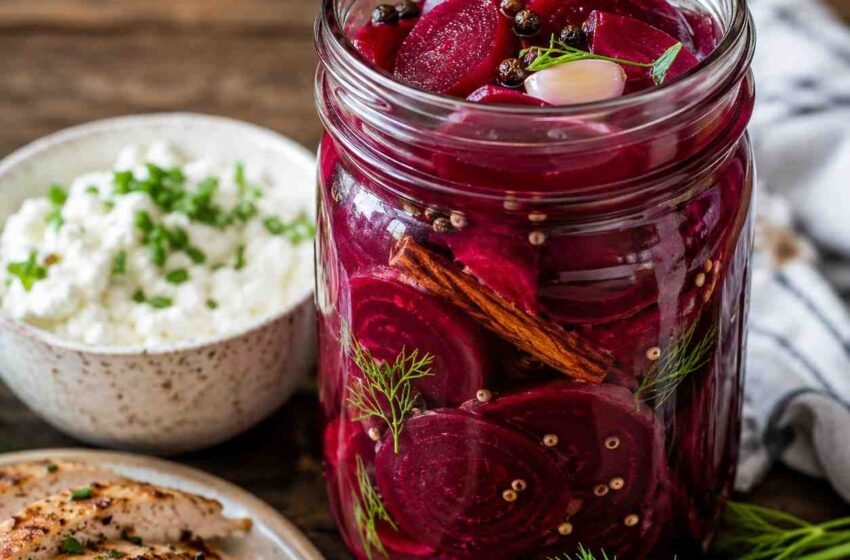
Pickled beets are a timeless favorite that combines earthy sweetness with a bright, tangy bite. This diabetic-friendly and high-protein version transforms the traditional recipe into a healthier option by reducing added sugar and pairing the naturally sweet beets with protein-rich ingredients that help create a more balanced snack or side dish. The result is a delicious recipe that fits well into a healthy eating plan without sacrificing flavor.
Unlike many classic pickled beet recipes that rely heavily on refined sugar, this version uses a diabetic-friendly sweetener that delivers the same pleasant sweetness with minimal impact on blood sugar levels. The vinegar, warm spices, and fresh beets create a beautifully balanced pickle that becomes even more flavorful after resting in the refrigerator for a few days. Every bite is crisp, refreshing, and packed with nutrients.
Beets are naturally rich in fiber, antioxidants, vitamins, and minerals, making them a nutritious vegetable for many lifestyles. To increase the protein content of this recipe, these pickled beets are designed to be served alongside cottage cheese, Greek yogurt, grilled chicken, or salads featuring lean proteins. Whether you’re preparing healthy meal prep, looking for a colorful side dish, or searching for a nutritious snack, this recipe is simple, satisfying, and easy to make at home.
Why You’ll Love This Recipe
- Naturally sweet with significantly less added sugar.
- Diabetic-friendly using a low-glycemic sweetener.
- Rich in antioxidants and dietary fiber.
- Easy to prepare with everyday ingredients.
- Perfect for weekly meal prep.
- High in flavor while remaining low in calories.
- Versatile enough for salads, sandwiches, grain bowls, or snacks.
- Refrigerator pickles require no special canning equipment.
- Delicious served with protein-rich foods for balanced nutrition.
- Keeps fresh in the refrigerator for several weeks.
Equipments
- Large stockpot (6 to 8-quart) for boiling whole beets evenly.
- Medium saucepan (2 to 3-quart) for preparing the pickling brine.
- Sharp chef’s knife (8-inch) for slicing the cooked beets safely.
- Vegetable peeler or paper towels for removing beet skins.
- Cutting board (large) to provide enough workspace.
- Measuring cups for accurate liquid measurements.
- Measuring spoons for spices and seasonings.
- Wooden spoon or silicone spatula for stirring the brine.
- Wide-mouth mason jars (2 pint-size or 1 quart-size) with airtight lids.
- Jar funnel for cleaner filling.
- Tongs for handling hot beets.
- Kitchen towels for drying jars and cleaning spills.
Also CheckOut: 30-Day High-Protein Meal Plan for Weight Loss: Easy Recipes, Meal Prep Tips & Complete Nutrition Guide
Ingredients
- 6 medium fresh beets (about 2 pounds), washed and trimmed
- 1 cup white vinegar (5% acidity)
- 1 cup filtered water
- ⅓ cup granulated erythritol or monk fruit sweetener
- ½ teaspoon sea salt
- ½ teaspoon whole black peppercorns
- ¼ teaspoon ground cloves
- 1 cinnamon stick
- 2 bay leaves
- 1 teaspoon mustard seeds
- 2 cloves garlic, lightly crushed
- 1 teaspoon apple cider vinegar (optional for added depth)
- 2 tablespoons chopped fresh dill (optional)
Protein-Rich Serving Suggestions
- ½ cup low-fat cottage cheese
- ½ cup plain nonfat Greek yogurt
- 4 ounces grilled chicken breast
- 2 hard-boiled eggs
- Mixed leafy greens for serving
Ingredients Notes
- Fresh Beets
Fresh beets provide the best texture and natural sweetness. Choose firm beets with smooth skin and vibrant color. Medium-sized beets cook more evenly than very large ones and develop a richer flavor after pickling. - White Vinegar
White vinegar creates the bright acidity needed for classic pickled beets. Its clean flavor allows the natural sweetness of the beets to shine while helping preserve freshness in the refrigerator. - Filtered Water
Using filtered water keeps the brine clean and fresh tasting. It prevents unwanted flavors that sometimes come from heavily chlorinated tap water. - Granulated Erythritol or Monk Fruit Sweetener
This diabetic-friendly sweetener replaces refined sugar while maintaining the traditional balance of sweet and tangy flavors. It dissolves easily into the warm brine and has minimal effect on blood sugar. - Sea Salt
Salt enhances every ingredient without making the beets overly salty. It also helps round out the acidity of the vinegar and balances the sweetness. - Whole Black Peppercorns
Peppercorns add subtle warmth and complexity without overwhelming the beets. Their flavor gradually infuses into the brine during refrigeration. - Ground Cloves
Cloves contribute a warm, aromatic sweetness that pairs beautifully with earthy beets. A small amount is enough to create noticeable depth.
- Cinnamon Stick
Cinnamon adds gentle spice and enhances the naturally sweet flavor of the beets. It creates a comforting aroma while the jars rest. - Bay Leaves
Bay leaves provide herbal notes that elevate the overall flavor profile. They slowly release their fragrance as the beets pickle. - Mustard Seeds
Mustard seeds contribute a mild tanginess and a pleasant hint of spice. They also give the pickling liquid a traditional flavor. - Garlic
Fresh garlic adds savory complexity without overpowering the recipe. It becomes mellow as it sits in the vinegar brine. - Fresh Dill
Dill provides a fresh herbal finish that complements the vinegar and spices. It is optional but highly recommended for extra brightness.
How to Make Diabetic High-Protein Pickled Beets
- Wash the fresh beets thoroughly under cool running water to remove any dirt. Trim the leafy tops, leaving about one inch of stem attached to prevent excess color from bleeding into the cooking water.
- Place the cleaned beets into a large stockpot and completely cover them with water. Bring the water to a gentle boil over medium-high heat before reducing to a steady simmer.
- Cook the beets for approximately 35 to 45 minutes, depending on their size. They are finished when a fork slides easily into the center without resistance.
- Carefully drain the hot water and immediately transfer the beets into a bowl filled with ice water. Allow them to cool for about 15 minutes so they are comfortable to handle.
- Rub the cooled beets gently with paper towels or use your fingers to remove the skins. The skins should slide off easily without requiring a vegetable peeler.
- Trim away both ends of each beet and inspect for any tough spots. Slice the beets into rounds approximately ¼-inch thick or cut them into evenly sized wedges if preferred.
- Place a medium saucepan over medium heat and combine the white vinegar, filtered water, erythritol or monk fruit sweetener, sea salt, mustard seeds, peppercorns, cloves, cinnamon stick, bay leaves, crushed garlic, and optional apple cider vinegar.
- Stir continuously until the sweetener has completely dissolved into the liquid. Allow the mixture to come to a gentle boil before reducing it to a low simmer for about five minutes so the spices fully infuse the brine.
- Taste the brine carefully using a clean spoon. If you prefer slightly more sweetness, add a small amount of additional diabetic-friendly sweetener. If you enjoy extra tanginess, stir in another splash of vinegar.
- Wash the mason jars thoroughly with hot soapy water and rinse well. Allow them to air dry or dry them completely with clean kitchen towels before filling.
- Arrange the sliced beets neatly inside the jars, leaving approximately half an inch of space at the top. Add a small amount of chopped fresh dill between the layers if using.
- Slowly pour the hot brine over the beets using a jar funnel. Ensure every slice is fully submerged while maintaining about half an inch of headspace at the top of each jar.
- Use a clean utensil to gently remove any trapped air bubbles by sliding it around the inside edges of each jar. Add a little more brine if needed to keep the beets completely covered.
- Wipe the rims of the jars with a clean damp cloth before securing the lids tightly. This helps ensure a clean seal and prevents leaks during storage.
- Allow the jars to cool naturally at room temperature before transferring them to the refrigerator. Refrigerate for at least 24 hours before serving, although the flavor becomes noticeably richer after 3 to 5 days.
- For a high-protein meal, serve the pickled beets alongside grilled chicken breast, cottage cheese, Greek yogurt, or sliced hard-boiled eggs. Combining the beets with lean protein helps create a more balanced meal that supports steady blood sugar levels.
- Always use a clean utensil when removing beets from the jar to maintain freshness. Keep the jars refrigerated and enjoy within four to six weeks for the best flavor and texture.
Recipe Information
- Prep Time: 20 minutes
- Cook Time: 45 minutes
- Chill Time: 24 hours (minimum)
- Total Time: 25 hours 5 minutes
- Servings: 8
- Cuisine: American
- Course: Side Dish, Snack, Salad Topping
Flavor Profile Breakdown
- Sweet
The natural sweetness of the beets is gently enhanced with a diabetic-friendly sweetener, creating a pleasant flavor without excessive sugar. - Tangy
White vinegar provides a bright acidity that balances the earthy flavor of the beets and creates their signature pickle taste. - Earthy
Fresh beets contribute a naturally rich and earthy flavor that becomes even smoother after marinating in the seasoned brine. - Warmly Spiced
Cinnamon, cloves, mustard seeds, bay leaves, and peppercorns add subtle warmth and complexity without overpowering the vegetables. - Savory
Garlic and sea salt provide depth while making the overall flavor more balanced and enjoyable. - Refreshing
Fresh dill adds a clean herbal finish that makes every bite bright and vibrant.
Pro Tips for Best Results
- Choose medium-sized beets since they cook more evenly and develop a better texture than oversized beets.
- Cook the beets just until fork tender to prevent them from becoming mushy after pickling.
- Cool the cooked beets in ice water to make peeling effortless.
- Allow the brine to simmer for several minutes so the spices fully infuse the liquid.
- Always pour hot brine over the prepared beets for maximum flavor absorption.
- Let the jars rest in the refrigerator for at least three days before serving for the richest flavor.
- Store the jars toward the back of the refrigerator where temperatures remain more consistent.
- Pair the pickled beets with lean protein such as grilled chicken, turkey breast, cottage cheese, or Greek yogurt for a blood sugar-friendly meal.
- Use clean utensils every time you remove beets from the jar to maximize freshness.
- Taste the brine before filling the jars and adjust sweetness or acidity according to your personal preference.
Variations & Substitutions
- Replace white vinegar with apple cider vinegar for a slightly fruitier flavor.
- Add fresh rosemary or thyme for an herbal twist.
- Include sliced onions for additional crunch and flavor.
- Add fresh ginger slices for a slightly spicy finish.
- Mix golden beets with red beets for a colorful presentation.
- Add sliced radishes for extra texture.
- Use monk fruit sweetener instead of erythritol if preferred.
- Add a pinch of red pepper flakes for gentle heat.
- Stir fresh parsley into the beets just before serving.
- Pair the pickled beets with quinoa and grilled chicken for a complete high-protein lunch.
Common Mistakes to Avoid
- Overcooking the beets until they become soft and mushy.
- Using too much sweetener, which can overpower the natural beet flavor.
- Filling jars while they are still dirty or damp.
- Forgetting to leave enough headspace in the jars.
- Not allowing enough refrigeration time before eating.
- Using old or shriveled beets that lack natural sweetness.
- Forgetting to keep the beets fully submerged in the pickling liquid.
- Leaving the jars unrefrigerated after cooling.
- Using metal containers instead of glass jars for long-term storage.
- Removing beets with unclean utensils, which can shorten shelf life.
Serving Suggestions
- Serve alongside grilled chicken breast for a protein-rich lunch.
- Add to spinach salads with crumbled feta and walnuts.
- Enjoy with low-fat cottage cheese as a satisfying snack.
- Pair with plain Greek yogurt and fresh herbs.
- Add to quinoa bowls with grilled turkey.
- Slice into whole-grain wraps filled with lean chicken.
- Serve with baked salmon and roasted vegetables.
- Add to grain-free salads with avocado and cucumbers.
- Include on healthy charcuterie boards with reduced-fat cheese.
- Top mixed greens with pickled beets, grilled shrimp, and pumpkin seeds.
Storage & Reheating Tips
- Store refrigerated in airtight mason jars for up to six weeks.
- Always keep the beets covered with brine.
- Use only clean utensils when serving.
- Never leave the jars at room temperature for extended periods.
- Do not freeze, as freezing changes the texture of the beets.
- Keep the lids tightly sealed between servings.
- If the brine becomes cloudy or develops an unpleasant odor, discard the contents immediately.
- These beets are intended to be served cold, so reheating is generally unnecessary.
- Allow the beets to sit at room temperature for five to ten minutes before serving if desired.
- Label each jar with the preparation date for easy tracking.
Nutrition Information (Approximate)
- Calories: 78 kcal
- Protein: 4 g
- Carbohydrates: 12 g
- Fat: 1 g
- Fiber: 4 g
- Sugar: 7 g
- Sodium: 235 mg
Final Thoughts
These Diabetic High-Protein Pickled Beets prove that healthy eating never has to be boring. By replacing refined sugar with a diabetic-friendly sweetener and encouraging protein-rich pairings, this recipe offers a delicious way to enjoy one of nature’s most colorful vegetables while supporting balanced nutrition. The combination of earthy beets, tangy vinegar, aromatic spices, and fresh herbs creates a refreshing side dish that complements everything from grilled meats to crisp salads.
Whether you’re meal prepping for the week, stocking your refrigerator with healthy snacks, or looking for a vibrant addition to family dinners, these pickled beets deliver exceptional flavor with minimal effort. Give them a few days to marinate, and you’ll be rewarded with a jar full of sweet, tangy, and beautifully seasoned beets that taste even better over time.
FAQs
Can people with diabetes eat pickled beets?
Yes. This recipe uses a diabetic-friendly sweetener instead of refined sugar, making it a healthier option when enjoyed in appropriate portions alongside protein-rich foods.
Why is this recipe considered high protein?
While beets themselves are not high in protein, this recipe is intended to be served with protein-rich foods such as grilled chicken, Greek yogurt, cottage cheese, or eggs to create a balanced meal.
How long should the beets marinate before eating?
They should chill for at least 24 hours, but waiting three to five days produces a much richer and more developed flavor.
Can I use canned beets instead of fresh beets?
Fresh beets are highly recommended because they provide better texture, fresher flavor, and fewer added ingredients than canned varieties.
Can I make the recipe sweeter?
Yes. Add a little more erythritol or monk fruit sweetener until the desired sweetness is reached without significantly affecting blood sugar.
Do I need special canning equipment?
No. This is a refrigerator pickle recipe, so regular mason jars with tight-fitting lids are all you need.
How long do these pickled beets stay fresh?
When refrigerated properly and handled with clean utensils, they remain fresh for approximately four to six weeks.
Can I add other vegetables to the jars?
Absolutely. Sliced onions, carrots, radishes, or cucumbers can be added to create a colorful mixed pickle.
Can I reduce the vinegar?
It is not recommended because vinegar provides the characteristic tangy flavor and helps preserve the beets during refrigeration.
What proteins pair best with these pickled beets?
Grilled chicken breast, turkey, salmon, tuna, lean beef, cottage cheese, Greek yogurt, tofu, and boiled eggs all pair exceptionally well with this recipe.