
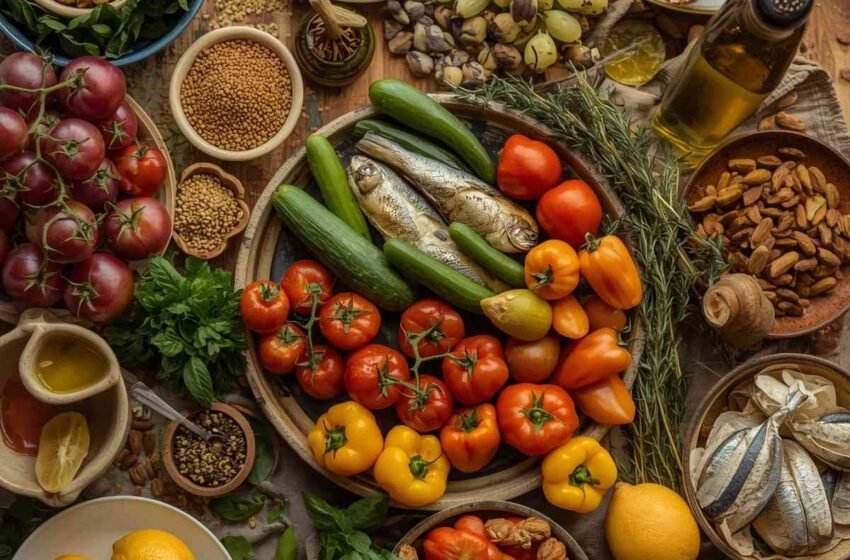
The Mediterranean diet isn’t a fad — it’s a way of eating inspired by the traditional food culture of countries bordering the Mediterranean Sea. It focuses on whole, nutrient-rich foods like vegetables, fruits, legumes, whole grains, fish and healthy fats, especially olive oil. Unlike strict dieting plans, it doesn’t require calorie counting — instead, it encourages a balanced, enjoyable style of eating that supports long-term health and wellbeing.
What Makes the Mediterranean Diet Special?
Rather than restricting calories or food groups, the Mediterranean approach highlights:
✔️ Plenty of vegetables, fruits, and leafy greens every day
✔️ Whole grains like brown rice, whole-wheat bread, quinoa
✔️ Healthy fats from olive oil, nuts, seeds, avocados
✔️ Moderate lean proteins like fish, poultry, beans, and legumes
✔️ Limited red meat, sugary snacks and highly processed foods
✔️ Optional moderate red wine with meals (if appropriate)
This eating style has been linked with improved heart health, better weight management, reduced inflammation, and even enhanced brain function.
Your 14-Day Mediterranean Meal Plan
Below is a sample schedule you can follow. Feel free to adapt it based on your preferences, dietary needs, and seasonal produce.
Week 1 — Build Healthy Habits
Monday
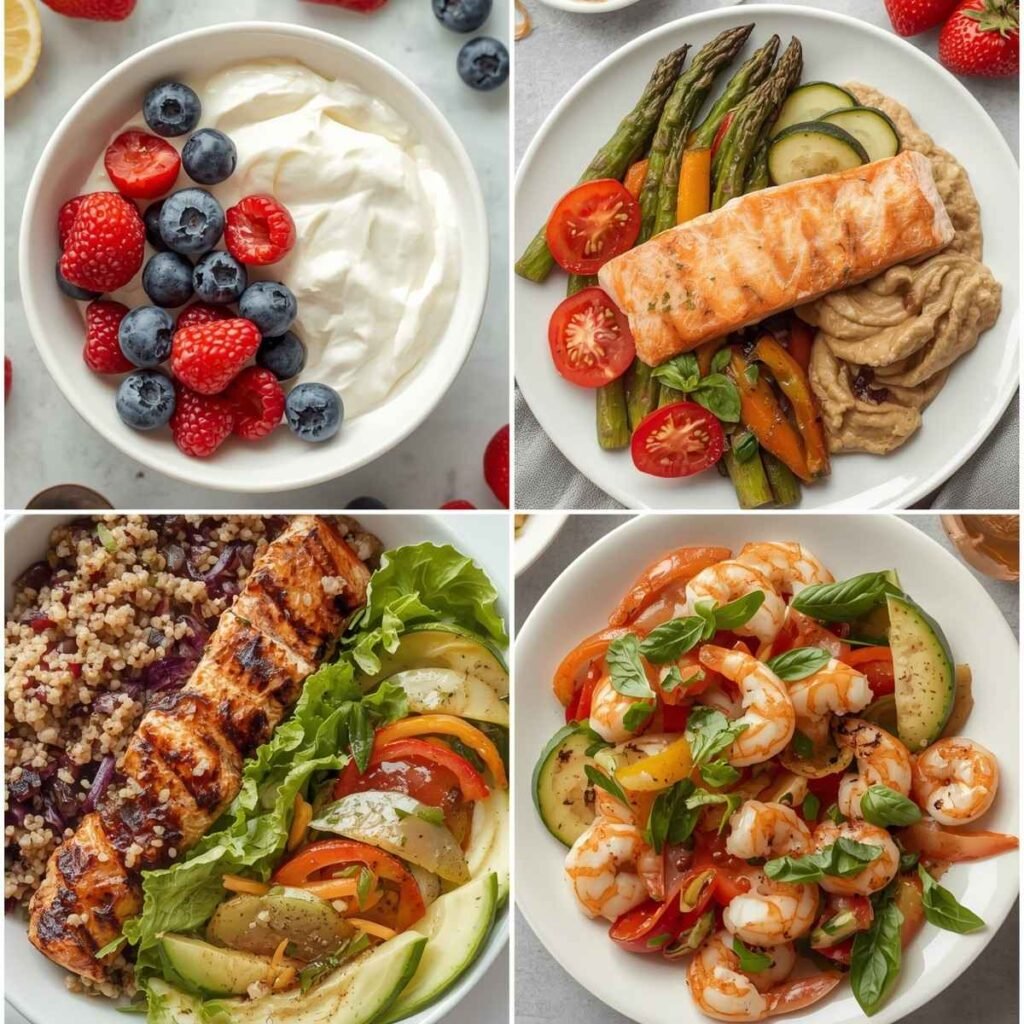
🍳 Breakfast: Greek yogurt topped with berries, nuts & honey
🥗 Lunch: Mixed green salad with grilled chicken & olive oil dressing
🍽 Dinner: Baked salmon with roasted veggies (zucchini, cherry tomatoes)
Tuesday
🍞 Breakfast: Whole-grain toast with mashed avocado & a poached egg
🍲 Lunch: Lentil soup with whole-grain bread
🍤 Dinner: Shrimp with whole-wheat pasta & steamed broccoli
Wednesday
🥣 Breakfast: Oatmeal topped with fresh fruit and almonds
🌯 Lunch: Hummus and veggie wrap with whole-grain tortilla
🍖 Dinner: Chicken kebabs with quinoa and roasted peppers
Thursday
🍳 Breakfast: Scrambled eggs with greens & whole-grain toast
🍽 Lunch: Leftovers from dinner
🥗 Dinner: Herb-grilled chicken with roasted potatoes & green beans
Friday
🍓 Breakfast: Spinach & banana smoothie with Greek yogurt
🥗 Lunch: Chickpea salad with feta, cucumber & olives
🌮 Dinner: Fish tacos with corn tortillas & salsa
Saturday
🥚 Breakfast: Frittata with tomatoes, spinach & herbs
🍛 Lunch: Farro bowl with roasted veggies & tahini dressing
🍲 Dinner: Baked cod with lemon and a side salad
Sunday
🍞 Breakfast: Whole-grain pancakes topped with fresh fruit
🥗 Lunch: Tuna salad sandwich on whole-grain bread
🐟 Dinner: Grilled trout with brown rice & asparagus
Week 2 — Keep the Momentum Going
Monday
🍳 Breakfast: Vegetable omelet with cheese
🥙 Lunch: Mediterranean grain bowl with chickpeas
🍽 Dinner: Grilled chicken with quinoa & sautéed spinach
Tuesday
🥣 Breakfast: Smoothie with berries, spinach & Greek yogurt
🥗 Lunch: Greek salad with olives, tomatoes & cucumbers
🍤 Dinner: Shrimp sauté with brown rice & steamed veggies
Wednesday
🍞 Breakfast: Avocado toast with a boiled egg
🥗 Lunch: Mixed bean salad with herbs & olive oil
🐟 Dinner: Baked salmon with roasted carrots & peas
Thursday
🥚 Breakfast: Scrambled egg whites with veggies
🍲 Lunch: Leftovers from dinner
🍗 Dinner: Herb-roasted chicken with green beans
Friday
🥣 Breakfast: Oatmeal with fruit & chia seeds
🥗 Lunch: Caprese salad with tomatoes, basil & mozzarella
🍤 Dinner: Seafood pasta with garlic & olive oil
(Note: These are sample meals — swap similar ingredients to keep variety while staying true to Mediterranean principles.)
🥑 Tips to Make It Work
✨ Choose whole grains instead of refined carbs
✨ Use olive oil for cooking and dressing
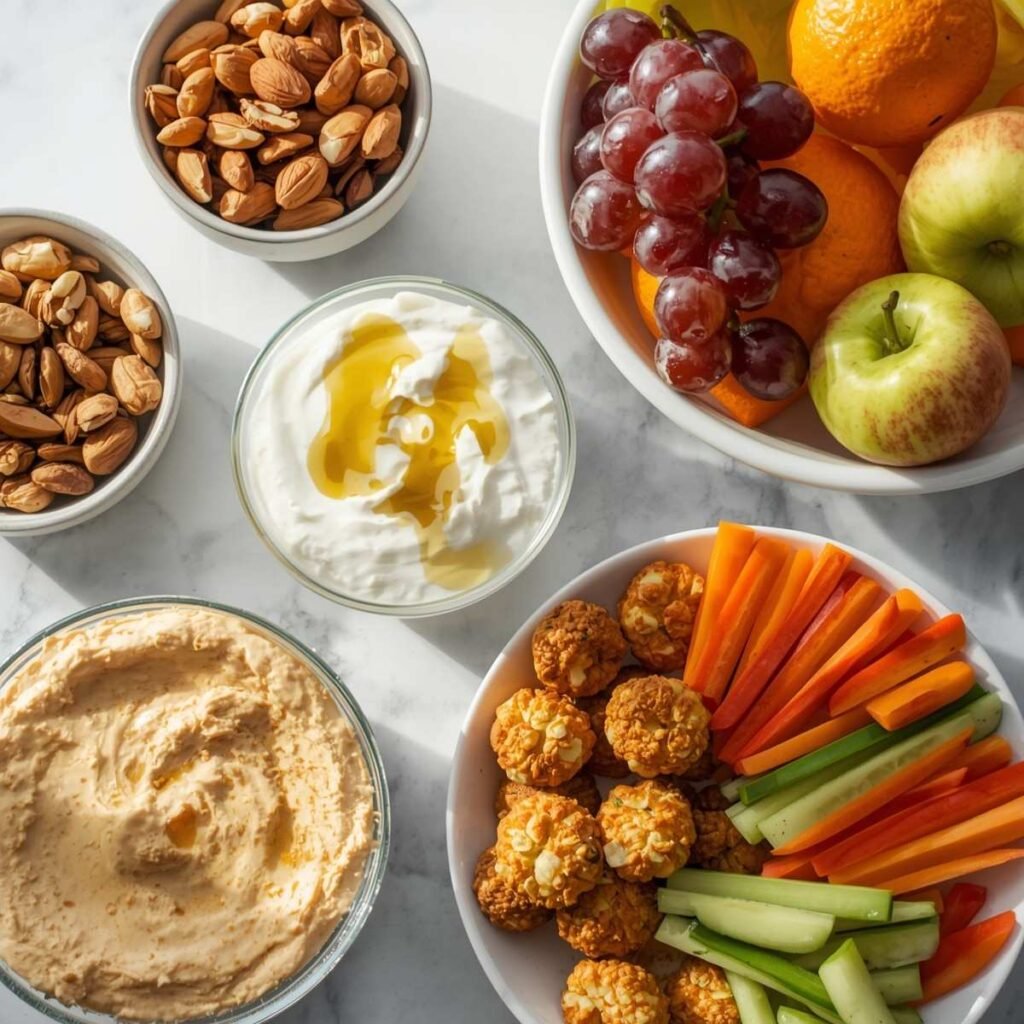
✨ Snack on nuts, seeds or fresh fruit between meals
✨ Drink plenty of water throughout the day
✨ Cook at home when possible to control ingredients
This plan is flexible — mix and match meals, use leftovers creatively, and adjust for portion sizes that fit your energy needs.

FAQs
1. What exactly is the Mediterranean diet?
The Mediterranean diet is a balanced eating pattern inspired by traditional cuisines of Mediterranean regions. It prioritizes vegetables, fruits, whole grains, legumes, nuts, olive oil, and lean proteins while reducing highly processed foods and added sugars.
2. Can I lose weight on the Mediterranean diet?
Many people find it helpful for weight management because meals are built around filling, nutrient-dense foods. The emphasis on fiber, healthy fats, and protein can support appetite control without rigid calorie tracking.
3. Do I have to avoid carbohydrates?
No. Carbohydrates are included, but the focus shifts to whole-grain sources like oats, brown rice, and whole-wheat bread instead of refined options.
4. Is this diet beginner-friendly?
Yes. It is often considered one of the most sustainable eating styles since it avoids extreme restrictions and allows flexible food choices.
5. How much olive oil should I use daily?
There is no universal requirement. Olive oil is typically used in moderation for cooking and dressings, keeping overall portion balance in mind.
6. Can vegetarians follow a Mediterranean meal plan?
Absolutely. Plant-based proteins such as beans, lentils, chickpeas, nuts, seeds, and dairy can easily replace meat or seafood.
7. Are dairy products permitted?
Yes, generally in moderate amounts. Options like Greek yogurt and cheese are commonly included, especially minimally processed varieties.
8. Is red wine necessary?
No. It is optional and not required to experience the potential benefits associated with Mediterranean-style eating.
9. Can meals be swapped within a 14-day plan?
Yes. Flexibility is encouraged. Meals can be interchanged based on preference, availability, and dietary needs.
10. Is the Mediterranean diet supported by research?
Yes. A large body of nutritional research has linked Mediterranean-style eating patterns with positive health outcomes, particularly for heart and metabolic health.