
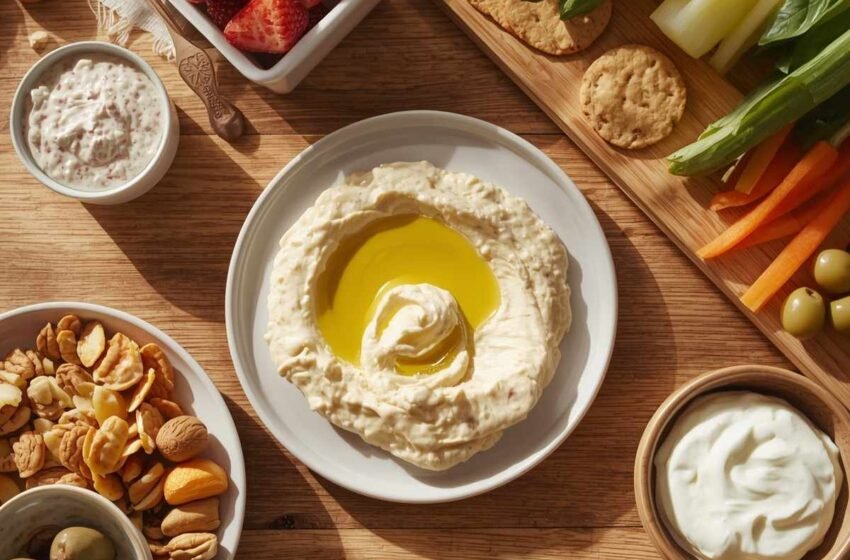
The Mediterranean diet is widely recognized by nutrition professionals as one of the healthiest eating patterns in the world. Rooted in the traditional cuisines of countries bordering the Mediterranean Sea, this diet emphasizes whole foods such as fruits, vegetables, whole grains, legumes, nuts, seeds, olive oil, and lean sources of protein. Rather than focusing on restriction, the Mediterranean approach prioritizes balance, flavor, and long-term sustainability.
Snacking within the Mediterranean diet is not only allowed—it is encouraged when done mindfully. Mediterranean diet snacks are designed to stabilize blood sugar levels, support heart health, and provide essential nutrients without excessive calories or processed ingredients. From fiber-rich vegetables to protein-packed dairy and healthy fats, these snacks help bridge the gap between meals while keeping energy levels steady throughout the day.
1. Hummus with Fresh Vegetables
Hummus paired with fresh vegetables is a classic Mediterranean snack that combines plant-based protein, fiber, and heart-healthy fats. Made primarily from chickpeas and olive oil, hummus provides slow-digesting carbohydrates that support sustained energy levels. When paired with colorful vegetables, this snack becomes rich in antioxidants and essential micronutrients. It is ideal for mid-afternoon hunger or as a light pre-dinner option. Nutritionists often recommend this combination for its balance of macronutrients and satiety.
Ingredients
- Hummus – ½ cup
- Carrot sticks – 1 cup
- Cucumber slices – 1 cup
- Bell pepper strips – ½ cup
Instructions
- Wash and slice all vegetables into bite-sized pieces
- Spoon hummus into a small serving bowl
- Arrange vegetables around the hummus
- Drizzle a few drops of olive oil on hummus if desired
- Serve fresh

Nutrients (Approximate)
- Calories: ~180 kcal
- Protein: ~6 g
- Carbohydrates: ~20 g
- Fat: ~8 g
- Fiber: ~7 g
2. Greek Yogurt with Berries and Nuts
Greek yogurt is a cornerstone of Mediterranean nutrition due to its high protein and probiotic content. When combined with antioxidant-rich berries and healthy fats from nuts, it becomes a powerful snack that supports digestive health, muscle maintenance, and cardiovascular wellness. This snack offers natural sweetness without refined sugar and provides a satisfying texture contrast. It works well as a morning snack or post-exercise option.
Ingredients
- Plain Greek yogurt – ¾ cup
- Mixed berries – ½ cup
- Chopped walnuts or almonds – 2 tablespoons
- Honey (optional) – 1 teaspoon
Instructions
- Spoon Greek yogurt into a bowl
- Add berries evenly on top
- Sprinkle nuts over the yogurt
- Drizzle honey if desired
- Serve immediately

Nutrients (Approximate)
- Calories: ~220 kcal
- Protein: ~15 g
- Carbohydrates: ~18 g
- Fat: ~9 g
- Fiber: ~4 g
3. Whole-Grain Crackers with Cheese
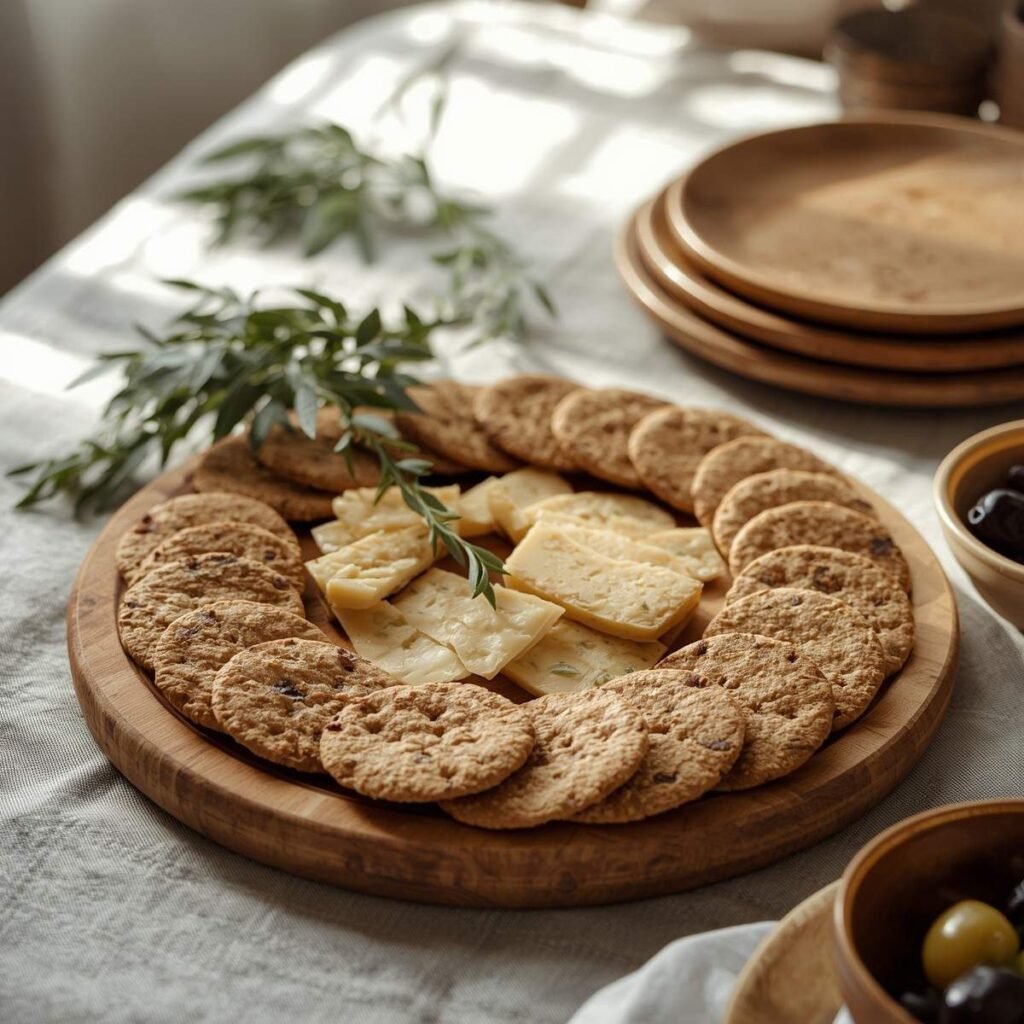
Whole-grain crackers paired with cheese create a balanced Mediterranean snack that combines complex carbohydrates, protein, and calcium. Whole grains provide sustained energy and digestive support, while cheese contributes essential nutrients such as protein and healthy fats. This snack is particularly helpful for maintaining fullness between meals. Choosing minimally processed crackers and moderate portions of cheese aligns well with Mediterranean dietary principles.
Ingredients
- Whole-grain crackers – 6 pieces
- Cheese (feta, mozzarella, or cheddar) – 1 oz
Instructions
- Place crackers on a plate
- Slice or crumble cheese
- Add cheese to crackers or serve on the side
- Enjoy as a balanced snack
Nutrients (Approximate)
- Calories: ~200 kcal
- Protein: ~7 g
- Carbohydrates: ~18 g
- Fat: ~10 g
- Fiber: ~3 g
4. Olives with Nuts
Olives and nuts are staples of the Mediterranean diet, known for their rich content of monounsaturated fats and anti-inflammatory compounds. This snack supports heart health and provides long-lasting energy due to its healthy fat profile. Although calorie-dense, small portions are highly satisfying. It is best enjoyed mindfully as part of a balanced eating pattern.
Ingredients
- Mixed olives – ½ cup
- Almonds or pistachios – ¼ cup
Instructions
- Drain olives if needed
- Measure nuts into a small bowl
- Combine olives and nuts
- Serve as a savory snack

Nutrients (Approximate)
- Calories: ~230 kcal
- Protein: ~6 g
- Carbohydrates: ~8 g
- Fat: ~20 g
- Fiber: ~4 g
5. Fresh Fruit with Nut Butter
Fresh fruit paired with nut butter provides a natural balance of carbohydrates, fiber, and healthy fats. This Mediterranean-friendly snack supports stable blood sugar levels and delivers essential vitamins and minerals. Nut butters also add satiety, making this an excellent option for those needing sustained energy. It is especially suitable for active individuals or busy professionals.
Ingredients
- Apple or banana – 1 medium
- Natural peanut or almond butter – 1 tablespoon
Instructions
- Wash and slice fruit
- Spread nut butter on fruit slices
- Serve immediately

Nutrients (Approximate)
- Calories: ~190 kcal
- Protein: ~4 g
- Carbohydrates: ~25 g
- Fat: ~8 g
- Fiber: ~5 g
Conclusion
Mediterranean diet snacks demonstrate that healthy eating does not require sacrificing flavor or satisfaction. By focusing on whole foods, healthy fats, and balanced macronutrients, these snacks support heart health, digestive wellness, and long-term energy. Incorporating Mediterranean-style snacks into daily routines can help promote mindful eating habits while contributing to overall nutritional balance.
FAQs
Are Mediterranean diet snacks suitable for weight management?
Yes, when consumed in appropriate portions, they help control hunger and prevent overeating.
Can Mediterranean snacks be eaten daily?
Absolutely. They are designed for regular consumption as part of a balanced diet.
Is dairy allowed in Mediterranean snacking?
Yes, especially fermented dairy like Greek yogurt and moderate portions of cheese.
Are Mediterranean snacks good for heart health?
Yes, they emphasize healthy fats, fiber, and antioxidants known to support cardiovascular health.