
The keto flu is a group of temporary symptoms that some people experience when starting a ketogenic diet. As your body switches from using carbs for energy to burning fat, you may feel fatigue, headache, nausea, irritability, dizziness, or sugar cravings. It usually lasts a few days to a week and can be eased with hydration, electrolytes, and gradual carb reduction.
Keto Flu & How to Cure It
You’ve started a ketogenic diet and are excited about all the benefits you’ve heard about. But now you’re exhausted, unfocused, irritable, and struggling with headaches and fatigue.
These are classic signs of the keto flu—and despite the name, it’s not an actual flu. It isn’t dangerous, but it can be uncomfortable.
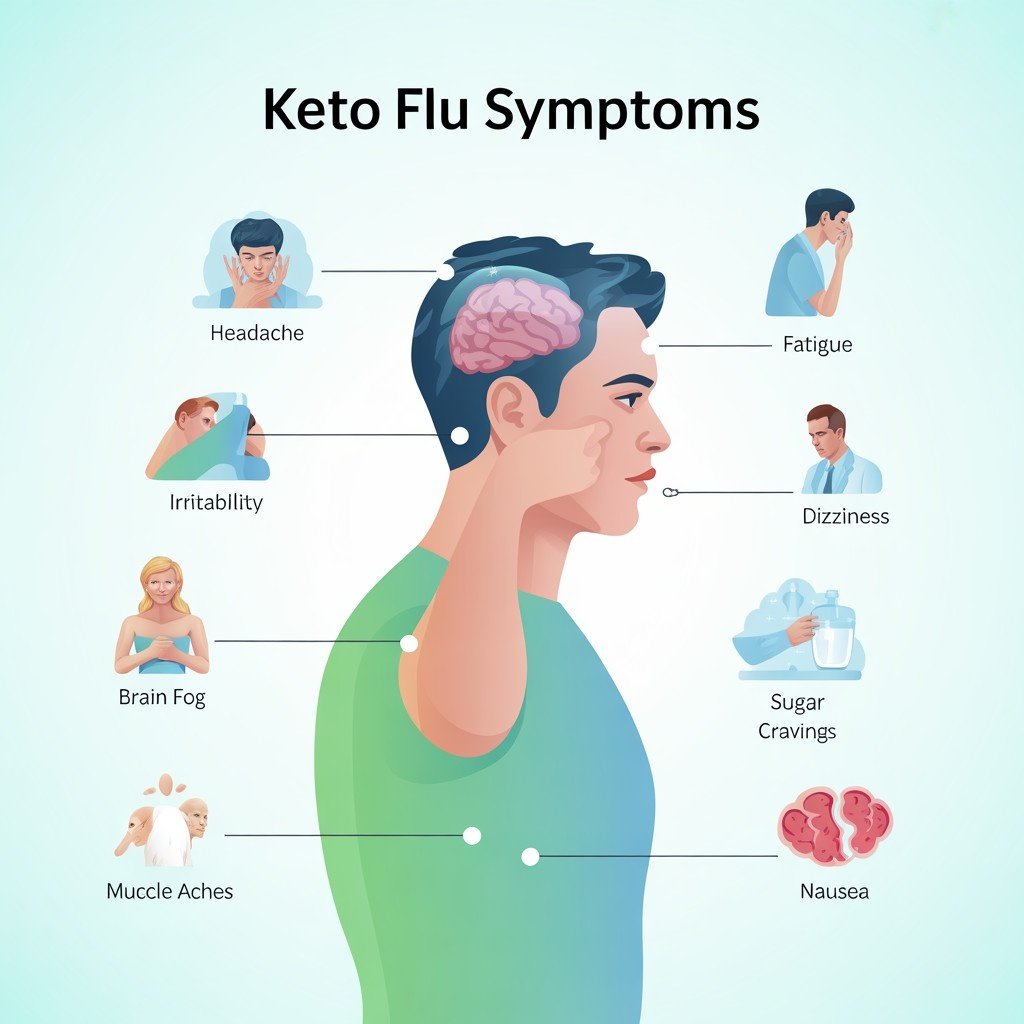
Most people experience some degree of keto flu during the first one to two weeks of starting keto, especially around days 3–5. Thankfully, these symptoms are temporary. Soon you’ll feel normal again—possibly even more energized than before you began the diet.
The good news? A simple remedy often relieves most symptoms within 15 minutes.
Common Keto Flu Symptoms
- Fatigue
- Headache
- Irritability
- Brain fog or difficulty focusing
- Low motivation
- Dizziness
- Sugar cravings
- Nausea
- Muscle aches
Why the Keto Flu Happens
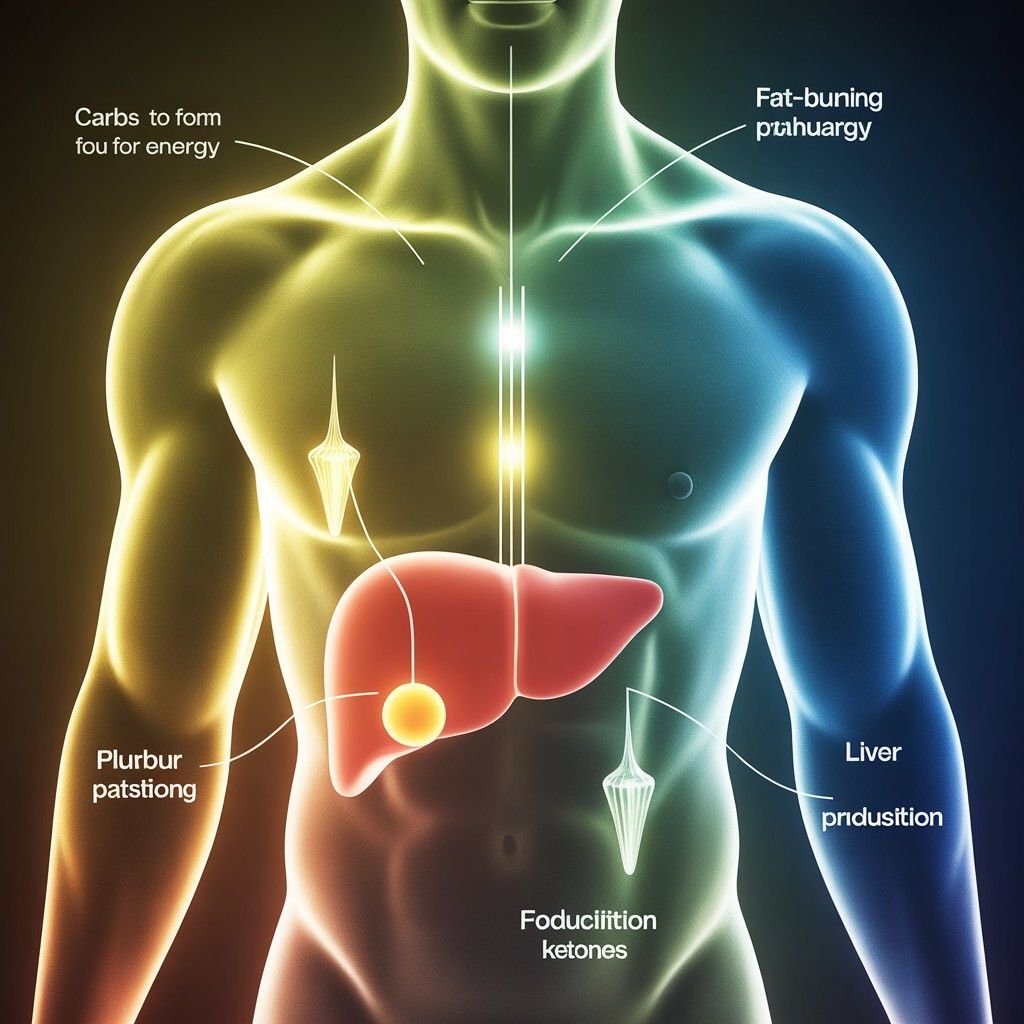
Keto flu occurs as your body transitions from using carbohydrates to burning fat for energy. When you enter ketosis, your body relies primarily on fat and ketones for fuel.
As insulin levels drop, your body flushes out more salt and water through urine. This leads to frequent urination during the first week, contributing to quick initial weight loss.
Everyone experiences this transition differently. Some feel only mild tiredness, while others struggle with symptoms that interfere with daily functioning. Still, with the right steps, keto flu doesn’t have to be unbearable.
How to Treat the Keto Flu
Most symptoms fade naturally as your body adapts, but you don’t need to suffer through them. Addressing the root cause can help you feel better quickly—often almost immediately.
1. Increase Salt and Water Intake (Most Important Step)
Because keto flu symptoms usually stem from a loss of sodium and fluids, increasing both can significantly reduce or even eliminate discomfort.
Try this whenever you feel a headache, fatigue, dizziness, nausea, or other symptoms:
- Mix ½ teaspoon of salt into a glass of water and drink it.
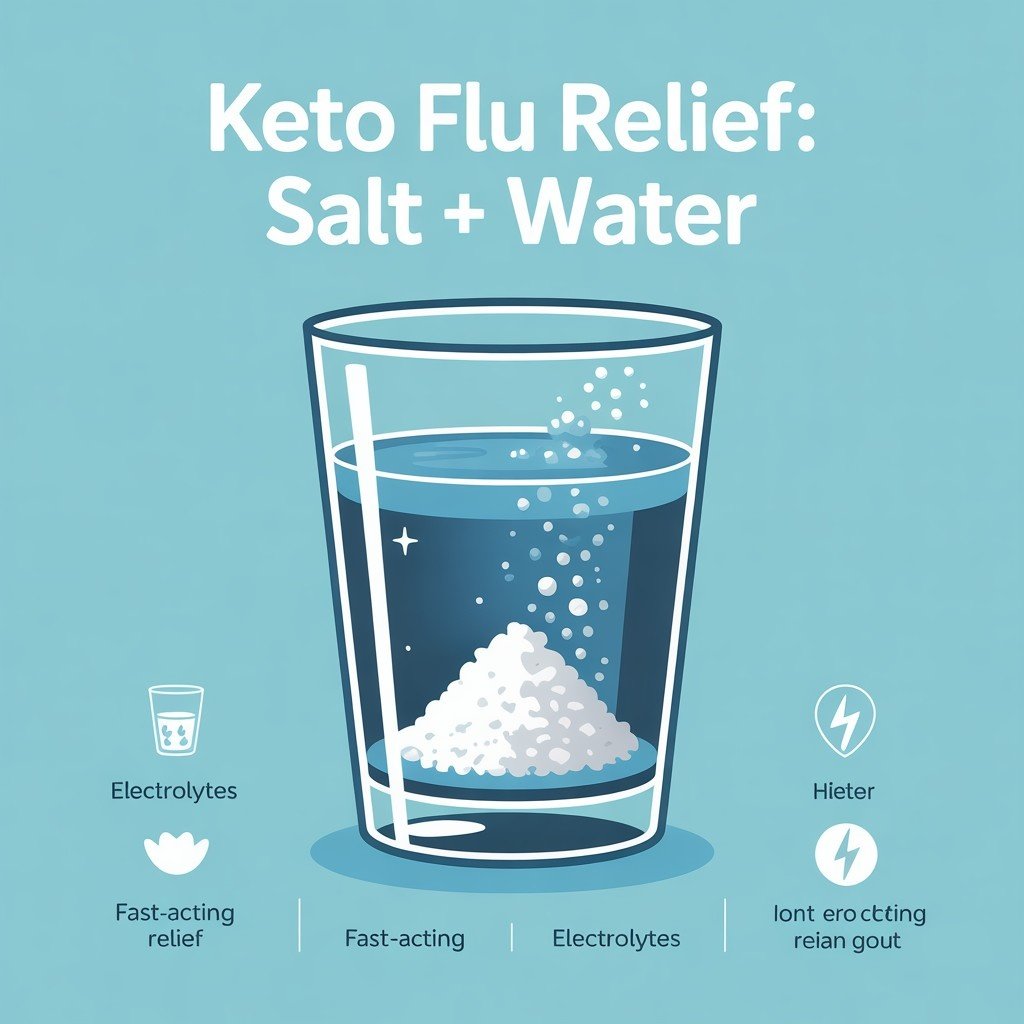
Many people feel relief within 15–30 minutes. You can repeat this once or twice a day as needed.
Optional additions:
- A teaspoon of salted butter
- Extra salt added to low-sodium broth or stock
Also, stay hydrated. During your first week on keto, aim for at least 2.5 liters of fluid daily. Coffee and tea help with hydration too, but keep caffeine under three cups per day to avoid increasing fluid loss.
Getting enough sodium, water, magnesium, and potassium can also help prevent constipation, another common early-keto issue.
2. Increase Your Fat Intake
If extra water and salt aren’t enough, you may need to eat more fat.
New keto dieters often fear eating fat due to decades of misinformation. But drastically reducing carbs without increasing fat signals to your body that it’s starving—leading to hunger, exhaustion, and irritability.
A proper keto diet includes enough fat to keep you full, energized, and able to go several hours between meals.
Until your body becomes fat-adapted, make a point of adding extra fat to your meals. Once you’re fully adapted, you can reduce fat intake based on your hunger cues.
When in doubt, add butter or another healthy fat.
3. Transition More Gradually
If increasing salt, water, and fat hasn’t helped enough, consider easing into ketosis more slowly.
Continuing keto strictly for a few more days often allows symptoms to pass. Very low-carb diets can offer significant benefits for weight loss and metabolic health.
However, you may choose to temporarily eat 20–50 grams of carbs per day instead of staying under 20 grams. This slows your transition into ketosis but reduces the intensity of keto flu.
A moderate low-carb diet can still improve health, especially if you avoid sugar and processed foods.
Once you feel better, you can experiment with dropping back below 20 grams of carbs if desired.
4. Keep Exercise Light at First
Although many people eventually experience better energy and endurance on keto, pushing too hard at the beginning can worsen symptoms.
Research by Dr. Steve Phinney shows that physical performance typically drops during the first week of a very-low-carb diet but returns—and often improves—after 4–6 weeks.
Stick to light movement early on:
- Walking
- Stretching
- Gentle yoga
- Mind-body activities
Avoid strenuous workouts until your body adapts to using fat for fuel.
5. Don’t Restrict Calories
Some people naturally lose appetite during early keto, while others worry they’re eating too much to lose weight.
However, counting calories aggressively during the adaptation phase can make keto flu worse. Being overly hungry or stressed about food intake adds unnecessary strain.
Once you’re consistently in ketosis, your appetite will usually decrease on its own, making it easier to eat less naturally.