
Busy mornings don’t have to mean skipping a nutritious breakfast. High-protein breakfast meal prep is one of the easiest ways to stay energized, support muscle growth, and keep hunger under control throughout the day. By preparing your breakfasts ahead of time, you save hours during the week while ensuring every meal is balanced, filling, and delicious.
Below you’ll find 11 high-protein breakfast meal prep recipes, each designed to deliver 30 grams or more of protein per serving. Every recipe includes ingredients, clear instructions, and nutrition information.
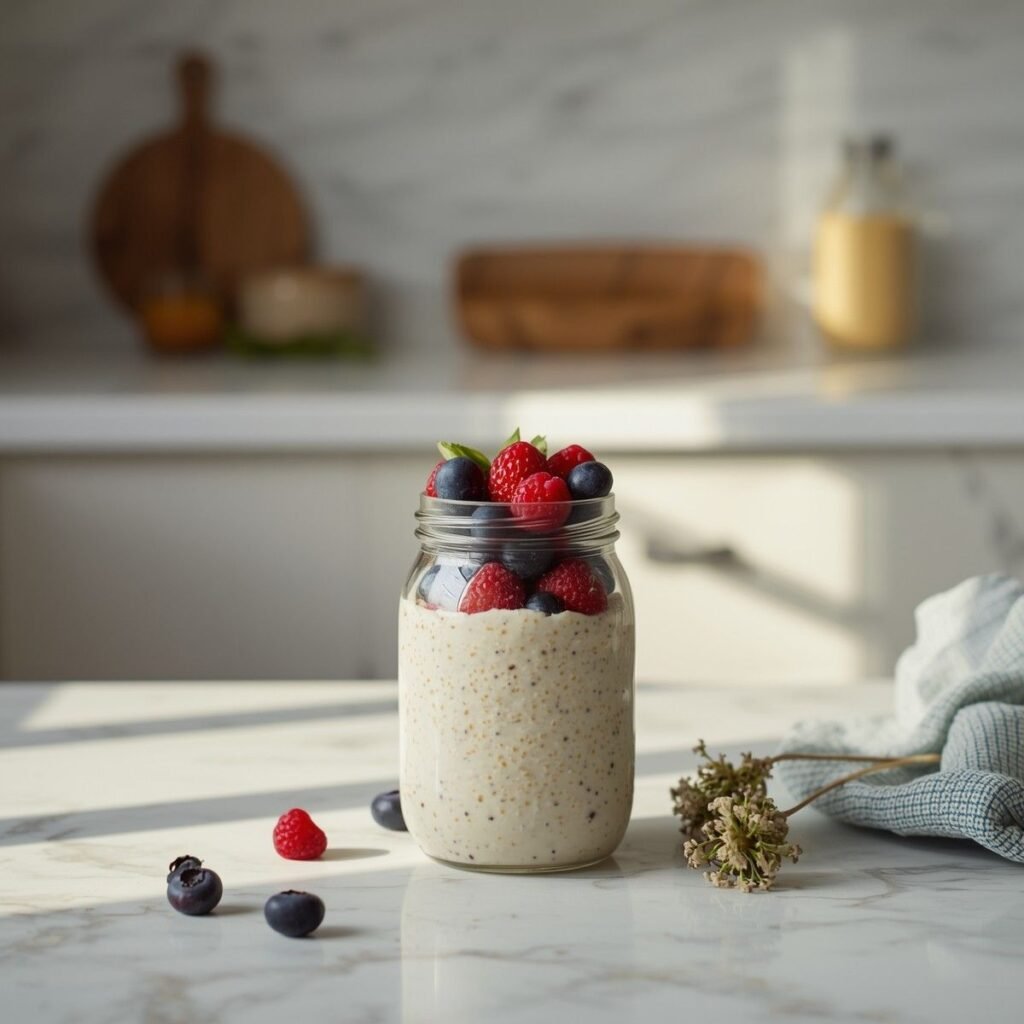
1. High-Protein Overnight Oats
Ingredients
- ½ cup rolled oats
- ½ cup milk or dairy-free alternative
- ½–1 scoop protein powder
- 1 tablespoon chia seeds (optional)
- 3 tablespoons Greek yogurt (optional)
- Fruit, nuts, or spices of choice
How to Make
- Add oats, milk, protein powder, and chia seeds to a jar.
- Stir well until fully combined.
- Mix in Greek yogurt and toppings.
- Cover and refrigerate overnight.
Nutrition (Approx.)
- Calories: 450
- Protein: 36g
- Carbohydrates: 50g
- Fat: 17g
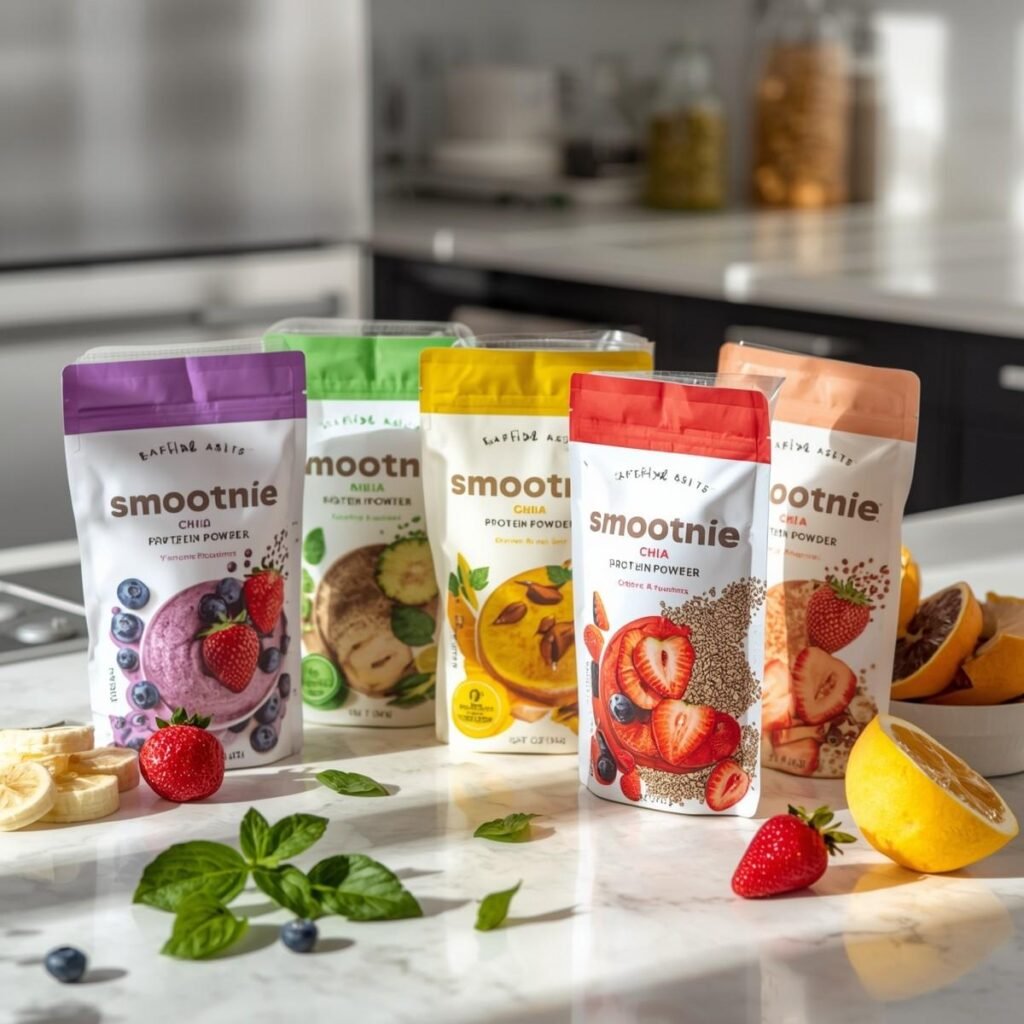
2. High-Protein Smoothie Packs
Ingredients
- Frozen berries
- Banana slices
- Protein powder
- Chia or flax seeds
- Nuts or nut butter
How to Make
- Portion all ingredients into freezer-safe bags.
- Freeze until needed.
- Blend with milk or water before serving.
Nutrition (Approx.)
- Calories: 350
- Protein: 30g
- Carbohydrates: 36g
- Fat: 12g
3. Freezer Breakfast Burritos
Ingredients
- Eggs
- Cottage cheese (optional)
- Bacon or turkey sausage
- Frozen hash browns
- Tortillas
- Shredded cheese
How to Make
- Cook bacon or sausage and set aside.
- Cook hash browns until golden.
- Scramble eggs with cottage cheese.
- Assemble burritos with all fillings.
- Wrap tightly and freeze.

Nutrition (Approx.)
- Calories: 528
- Protein: 30g
- Carbohydrates: 48g
- Fat: 24g
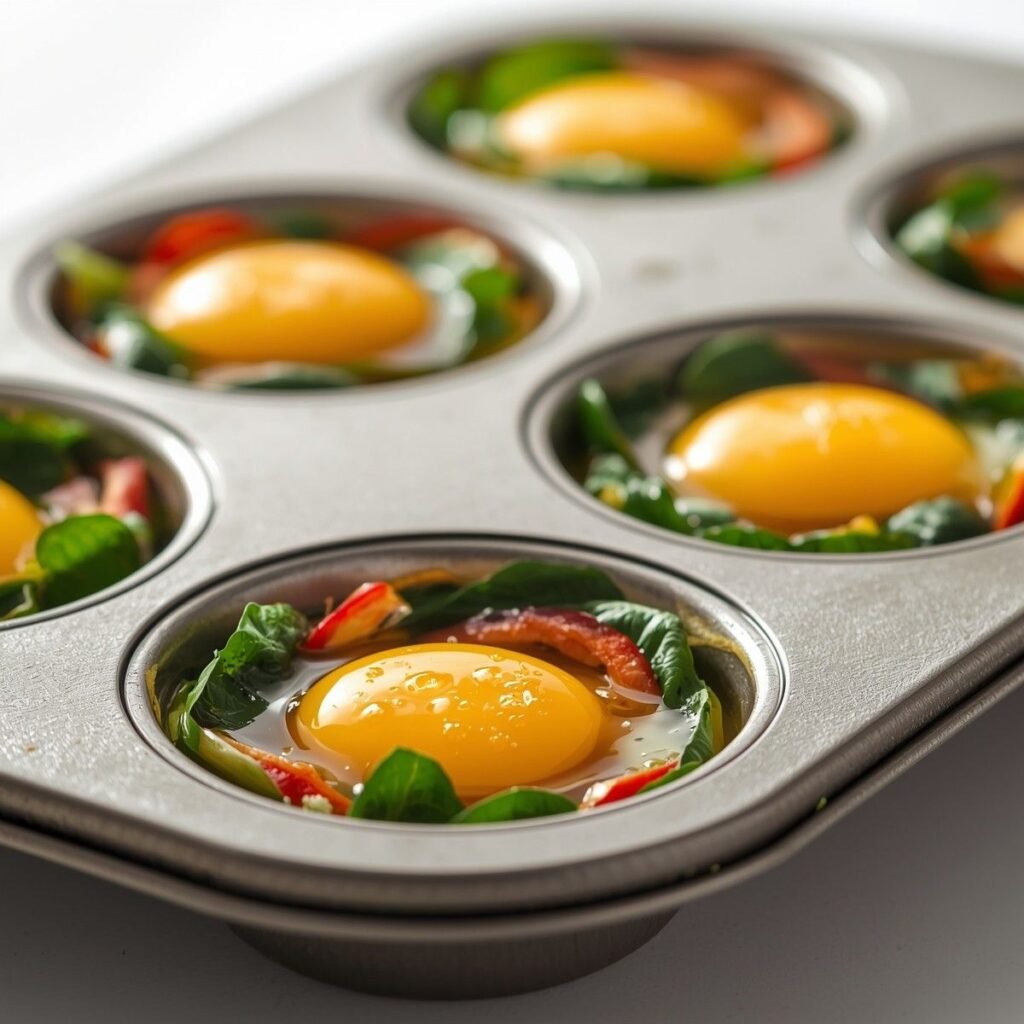
4. Breakfast Egg Bites
Ingredients
- Eggs
- Cottage cheese or shredded cheese
- Spinach, peppers, or herbs
How to Make
- Blend eggs and cheese until smooth.
- Pour into greased muffin tins.
- Add vegetables.
- Bake until set and lightly golden.
Nutrition (Approx.)
- Calories: 200
- Protein: 30g
- Carbohydrates: 10g
- Fat: 5g
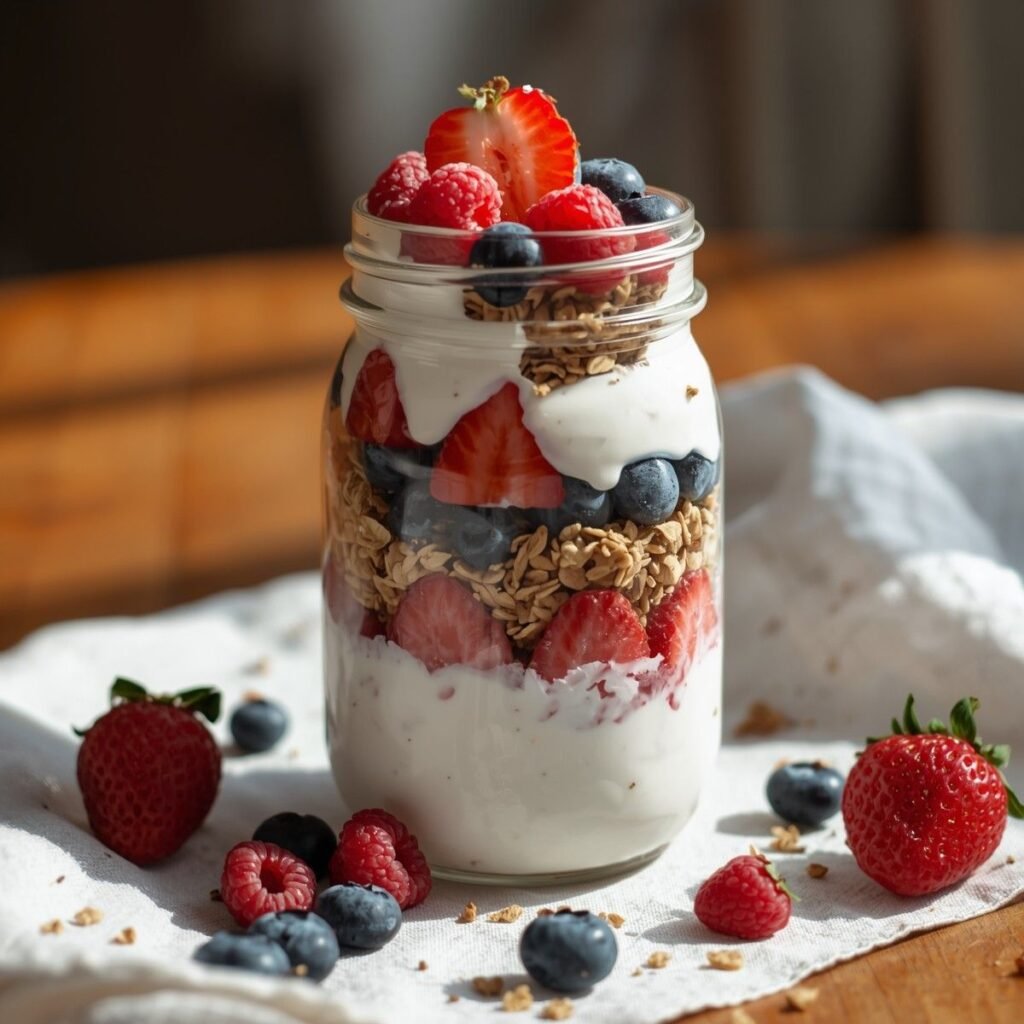
5. Greek Yogurt Parfait
Ingredients
- 1 cup non-fat Greek yogurt
- High-protein granola
- Fresh berries
- Optional peanut butter drizzle
How to Make
- Layer yogurt, granola, and berries in jars.
- Add peanut butter if desired.
- Refrigerate until ready to eat.
Nutrition (Approx.)
- Calories: 300
- Protein: 32g
- Carbohydrates: 33g
- Fat: 5g
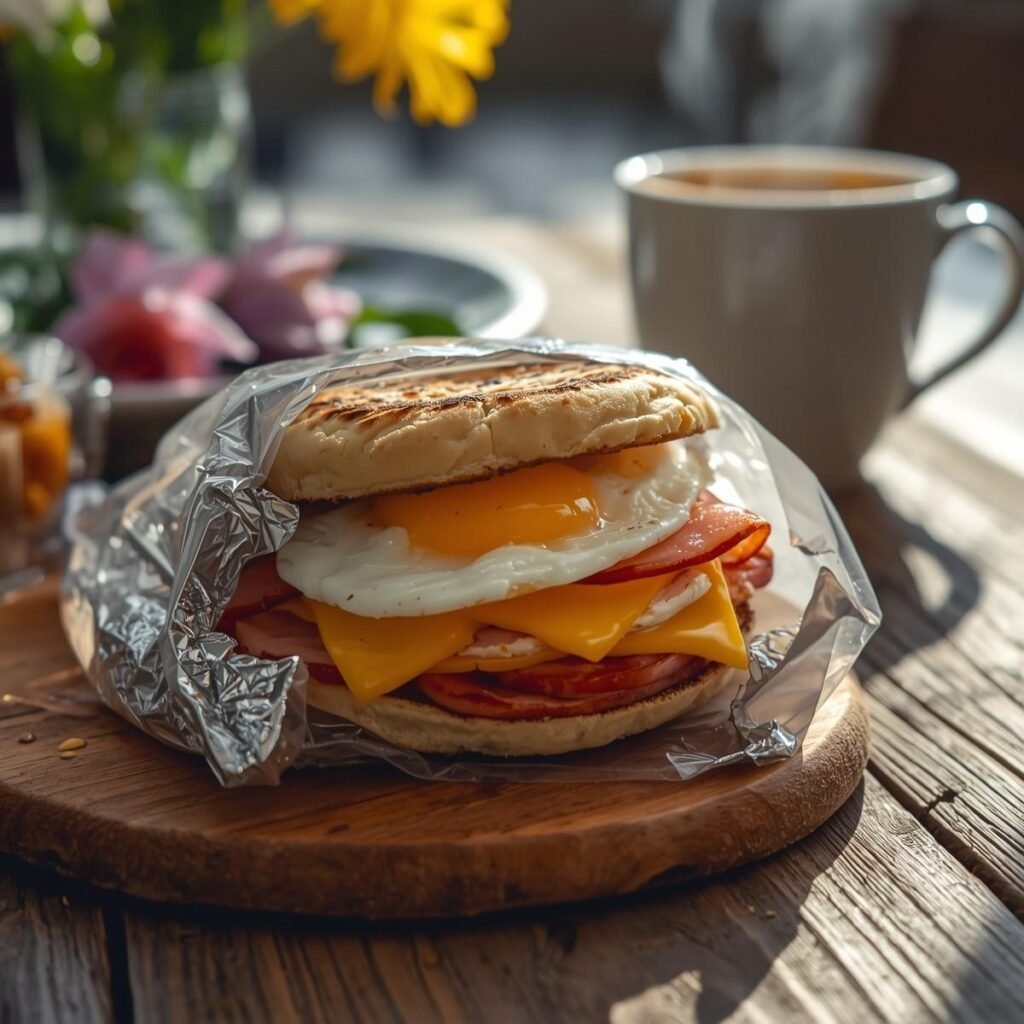
6. Freezer Breakfast Sandwiches
Ingredients
- Eggs
- English muffins
- Cheese slices
- Bacon, ham, or turkey sausage
How to Make
- Cook eggs until just set.
- Toast muffins lightly.
- Assemble sandwiches with egg, cheese, and protein.
- Wrap and freeze.
Nutrition (Approx.)
- Calories: 290
- Protein: 30g
- Carbohydrates: 26g
- Fat: 7g
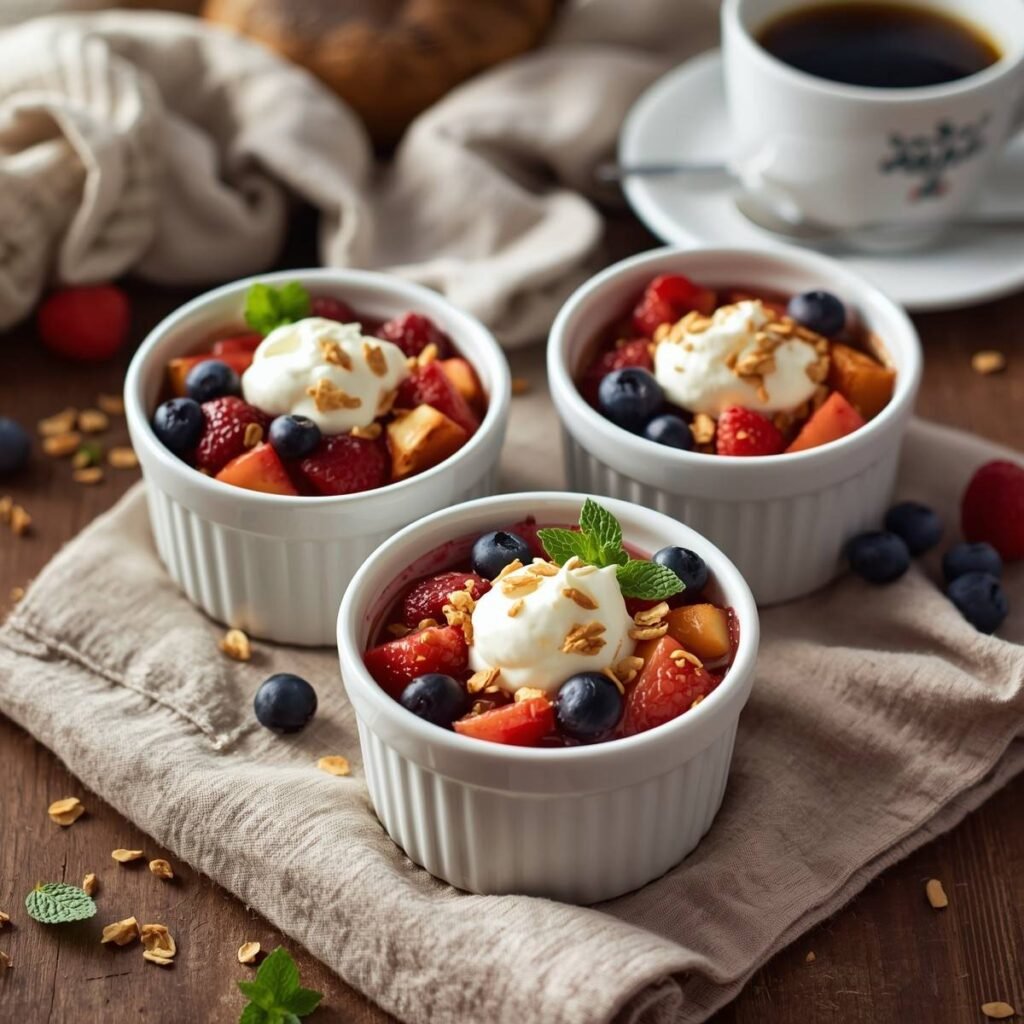
7. High-Protein Breakfast Crumble
Ingredients
- Apples or berries
- Oats
- Protein powder
- Cinnamon
- Greek yogurt (optional topping)
How to Make
- Prepare the fruit base in a baking dish.
- Mix oats, protein powder, and spices for topping.
- Bake until golden and bubbling.
- Portion for the week.
Nutrition (Approx.)
- Calories: 487
- Protein: 31g
- Carbohydrates: 55g
- Fat: 19g
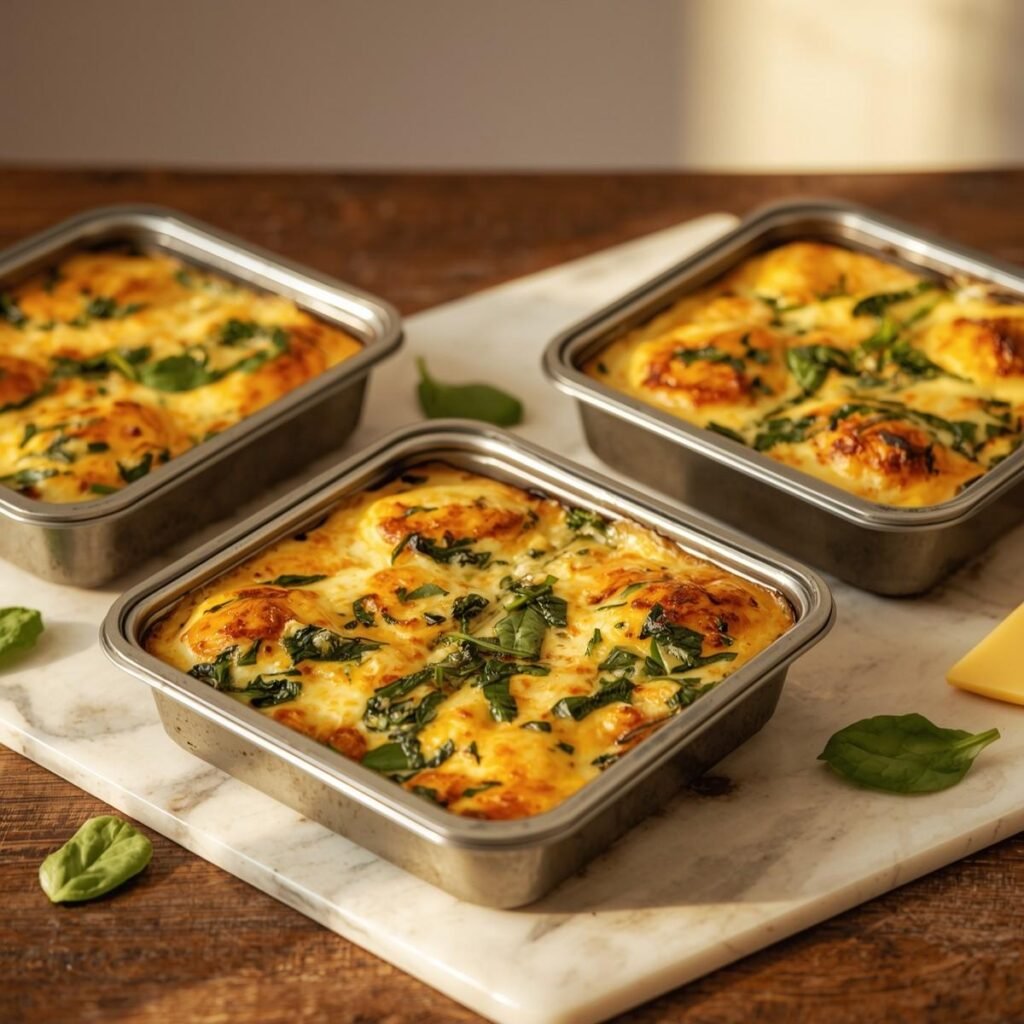
8. Savory Cottage Cheese Egg Bake
Ingredients
- Liquid egg whites
- Turkey bacon
- Cottage cheese
- Hash browns
- Spinach
- Shredded cheese
How to Make
- Mix all ingredients in a bowl.
- Pour into a greased baking dish.
- Bake until firm and lightly browned.
- Slice and store.
Nutrition (Approx.)
- Calories: 362
- Protein: 34g
- Carbohydrates: 18g
- Fat: 16g
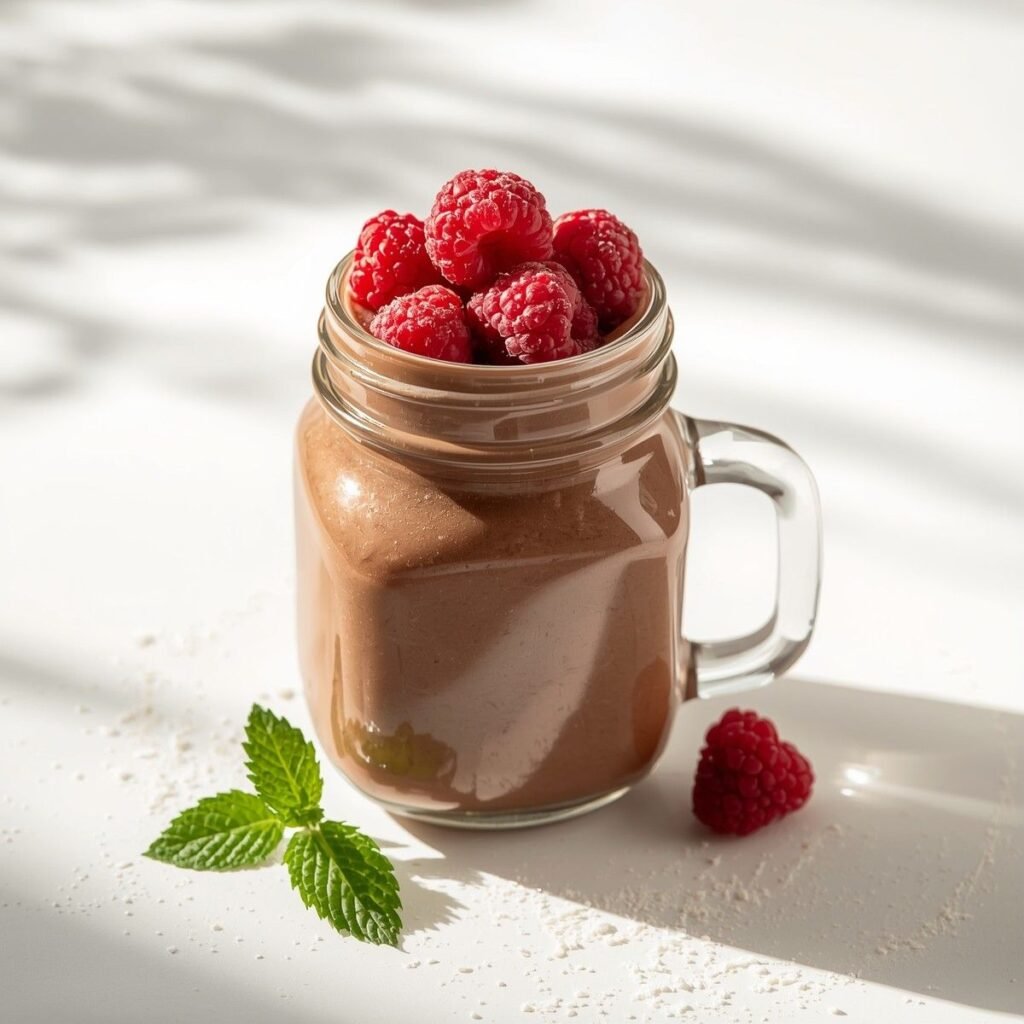
9. Chocolate Cottage Cheese Protein Pudding
Ingredients
- Low-fat cottage cheese
- Chocolate protein powder
- Cocoa powder
- Almond milk
- Maple syrup
- Raspberries
How to Make
- Blend all ingredients until creamy.
- Chill before serving.
- Top with raspberries.
Nutrition (Approx.)
- Calories: 301
- Protein: 39g
- Carbohydrates: 21g
- Fat: 7g
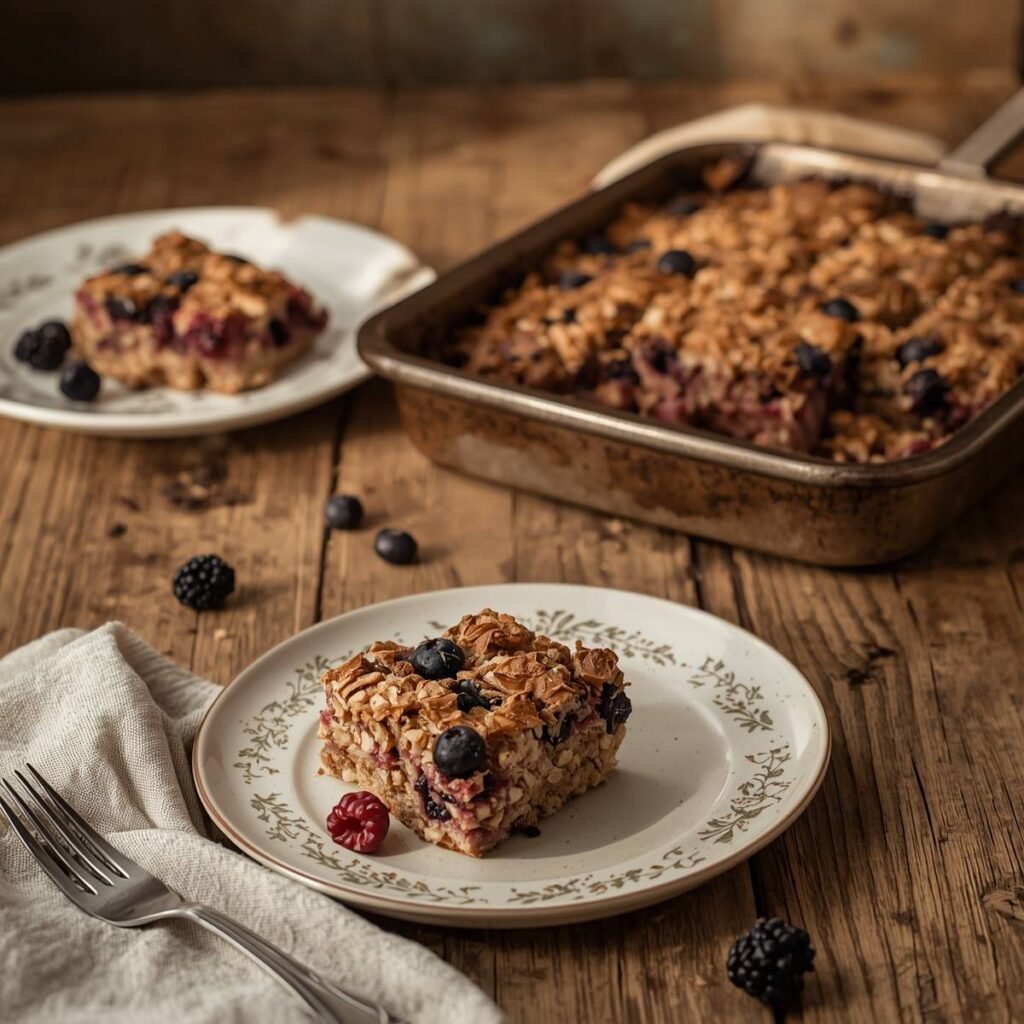
10. High-Protein Baked Oatmeal Squares
Ingredients
- Rolled oats
- Greek yogurt
- Protein powder
- Eggs
- Almond milk
- Maple syrup
- Fruit or chocolate chips
How to Make
- Mix all ingredients together.
- Pour into baking dish.
- Bake until set.
- Cool and slice.
Nutrition (Approx.)
- Calories: 441
- Protein: 32g
- Carbohydrates: 59g
- Fat: 9g
11. 3-Ingredient Protein Waffles
Ingredients
- Cottage cheese
- Oats
- Egg whites
How to Make
- Blend all ingredients until smooth.
- Cook in waffle maker until golden.
- Store or serve immediately.

Nutrition (Approx.)
- Calories: 276
- Protein: 30g
- Carbohydrates: 30g
- Fat: 4g
Conclusion
High-protein breakfast meal prep is one of the simplest habits you can build to support long-term health, energy, and consistency. By preparing your breakfasts ahead of time, you remove daily decision-making, reduce stress during busy mornings, and ensure your body starts the day with the nutrients it needs to perform at its best.
These high-protein breakfast recipes are designed to keep you full, stabilize blood sugar, and support muscle maintenance—all while saving time and money throughout the week. Whether you prefer sweet options like overnight oats and waffles or savory meals like egg bakes and breakfast burritos, there’s a prep-friendly choice for every lifestyle.
Start small, pick a few favorites, and build a routine that works for you. With a little planning, healthy mornings can become effortless—and delicious.
FAQs
1. Why is a high-protein breakfast important?
A high-protein breakfast helps control hunger, supports muscle health, improves focus, and keeps energy levels steady throughout the day. Protein slows digestion, which can prevent mid-morning cravings and overeating later.
2. How much protein should I eat for breakfast?
Most people benefit from 20–30 grams of protein at breakfast, while active individuals may need more. The recipes in this blog are designed to meet or exceed that range to help you stay full and energized.
3. How long do high-protein breakfast meal prep recipes last?
Most meal-prepped breakfasts last 4–5 days in the refrigerator. Freezer-friendly options like burritos, sandwiches, and waffles can last up to 2–3 months when stored properly.
4. Can I meal prep high-protein breakfasts for weight loss?
Yes. High-protein breakfasts can support weight loss by increasing fullness, reducing cravings, and helping preserve lean muscle. Pair protein with fiber-rich carbs and healthy fats for the best results.
5. Are these breakfast recipes good for muscle building?
Absolutely. Protein is essential for muscle repair and growth. These recipes provide enough protein to support recovery, especially when paired with strength training or an active lifestyle.
6. Can I make these recipes dairy-free or vegetarian?
Many of these recipes can be easily modified. You can use plant-based protein powder, dairy-free yogurt, egg alternatives, or tofu to suit vegetarian or dairy-free preferences.
7. What’s the best way to store meal-prepped breakfasts?
Use airtight containers and portion meals individually. Label freezer meals with dates, and allow hot foods to cool completely before storing to maintain freshness and food safety.
8. Can I rotate different breakfast recipes each week?
Yes, rotating recipes helps prevent boredom and ensures a more balanced intake of nutrients. Choose 2–3 recipes each week to keep your breakfasts exciting and sustainable.
9. Are high-protein breakfasts suitable for busy schedules?
High-protein breakfast meal prep is ideal for busy lifestyles. Most of these recipes require minimal reheating or can be eaten cold, making them perfect for workdays or early mornings.
10. Do I need protein powder to make high-protein breakfasts?
No. While protein powder is convenient, many recipes rely on whole foods like eggs, Greek yogurt, cottage cheese, and lean meats to naturally boost protein intake.