
Building muscle isn’t just about hits in the gym—your diet plays a huge role too. While most people think of meat and dairy when it comes to protein, certain fruits also contribute small but valuable amounts of protein, plus antioxidants, vitamins, and fiber that help with muscle recovery and overall health.
Here are 15 fruits you can add to your diet to support muscle growth and overall wellness:
1. Guava

Protein: ~4.2 g per cup
Guava tops the list of high-protein fruits. This tropical fruit is not only juicy and sweet-tart but also rich in vitamins (especially vitamin C) and fiber, which supports digestion and nutrient absorption—both crucial for muscle repair and growth.
2. Jackfruit
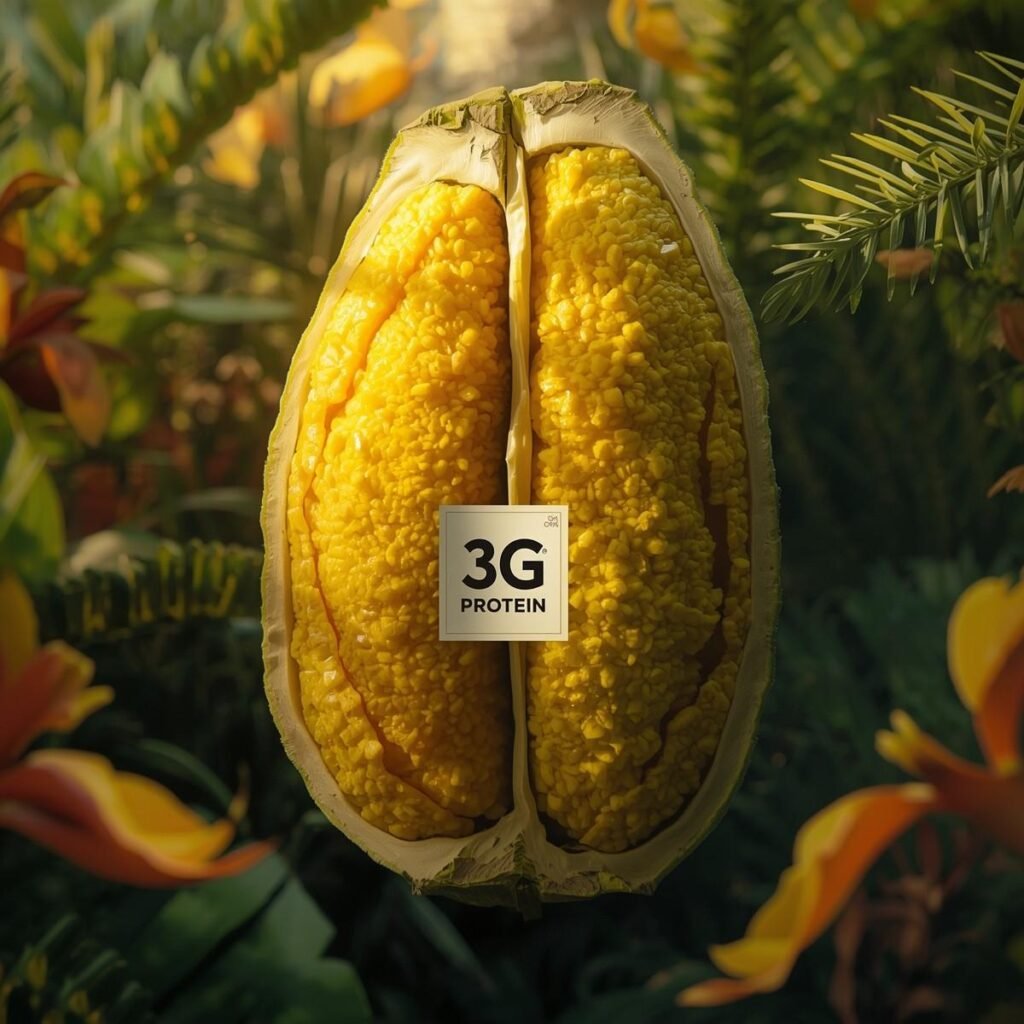
Protein: ~3 g per cup
Jackfruit is a tropical favorite that delivers a modest protein boost along with carbohydrates for energy. Its texture also makes it a favorite meat substitute in plant-based dishes.
Blackberries
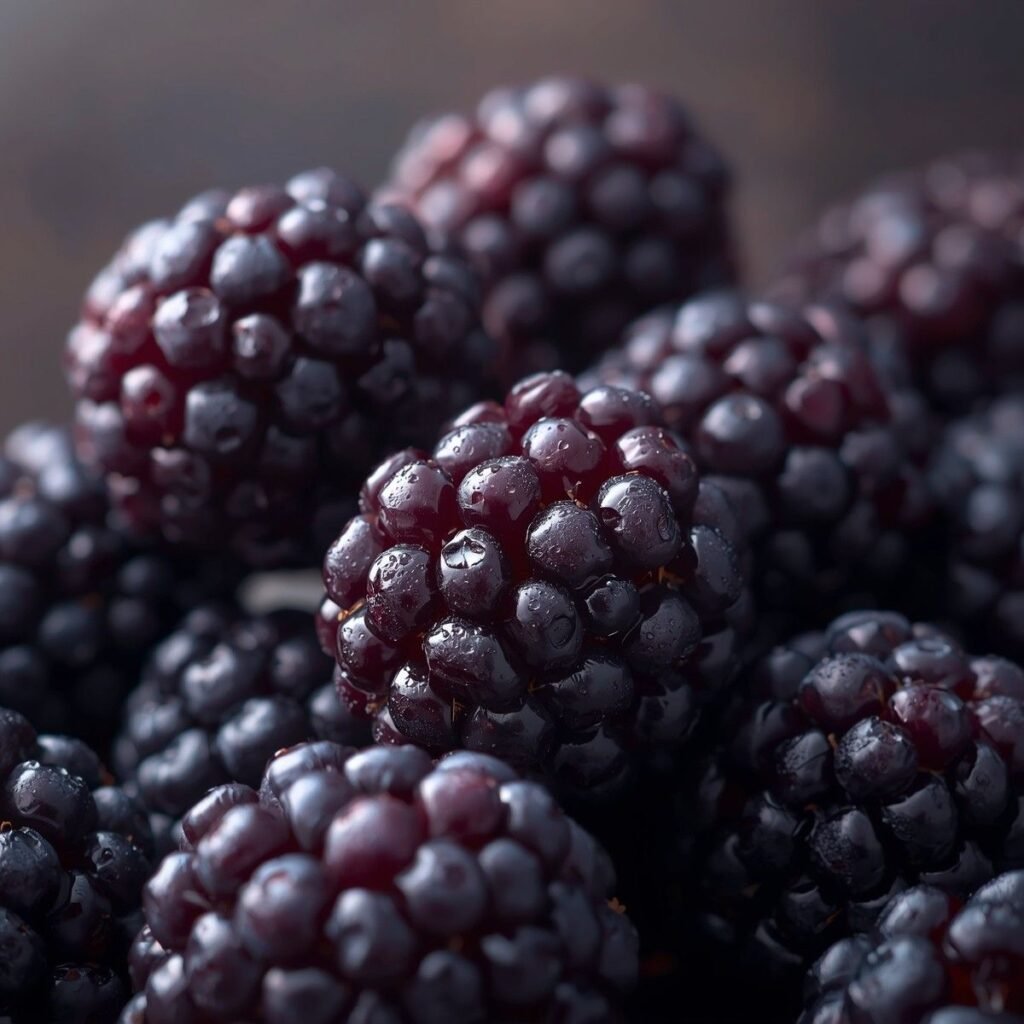
Protein: ~2 g per cup
Blackberries pack protein alongside a powerful dose of antioxidants and fiber. These nutrients help reduce inflammation and support recovery after intense workouts.
4. Avocado

Protein: ~3 g per cup
Often mistaken for a vegetable, avocado is a creamy fruit rich in healthy fats, fiber, and micronutrients. Its protein plus healthy fats help fuel your workouts and support muscle repair.
5. Pomegranate
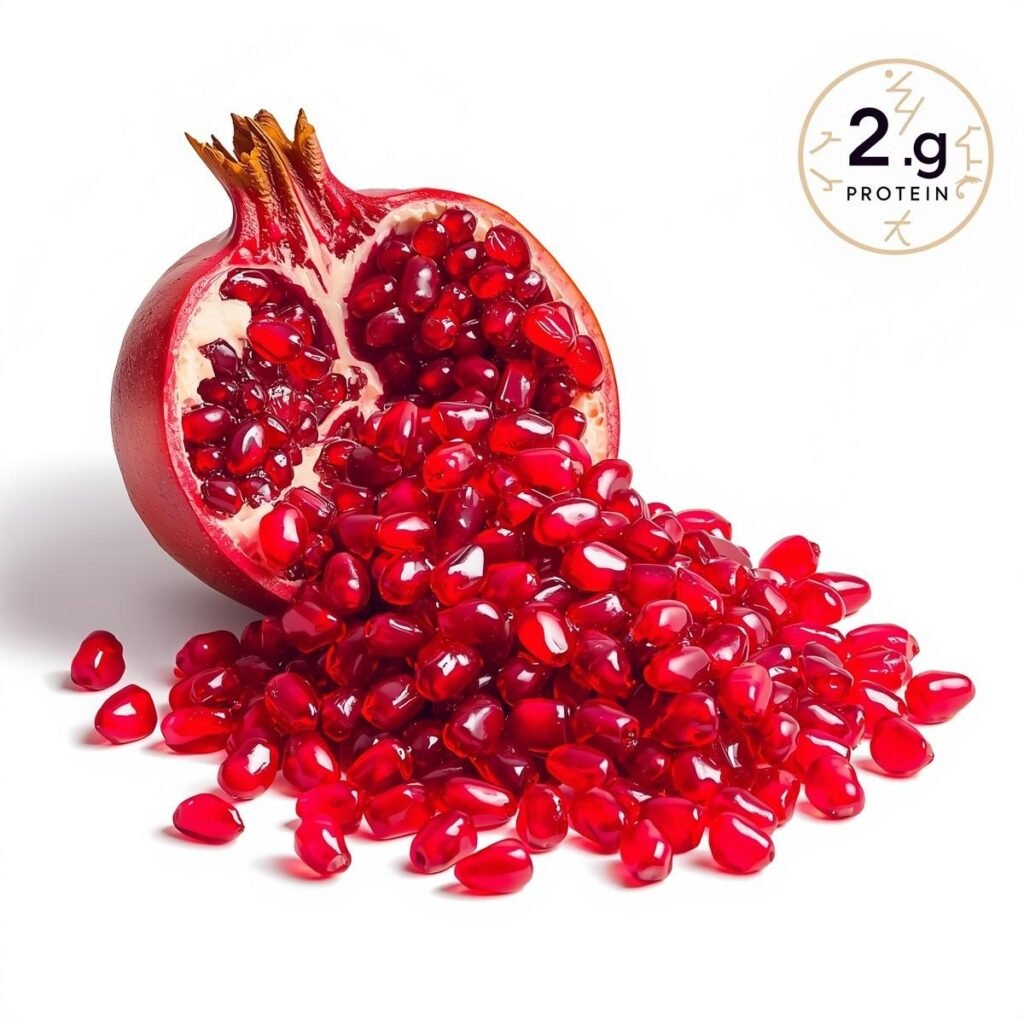
Protein: ~2.9 g per cup
Pomegranate seeds (arils) offer one of the higher protein amounts among fruits, along with antioxidants that may help reduce inflammation and improve blood flow.
6. Apricots

Protein: ~2.3 g per cup
These small stone fruits are nutrient-dense and offer a decent protein addition along with vitamin A and potassium. Their sweet flavor makes them great in salads or smoothies.
7. Kiwi

Protein: ~2 g per cup
Kiwi isn’t just refreshingly tangy—it gives fiber, abundant vitamin C, and some protein. These nutrients may help boost immunity and muscle recovery.
8. Bananas

Protein: ~1.3–1.6 g per cup
Bananas are beloved by athletes for quick energy and potassium to prevent muscle cramps. While their protein content is modest, they still contribute to your daily intake.
9. Raspberries
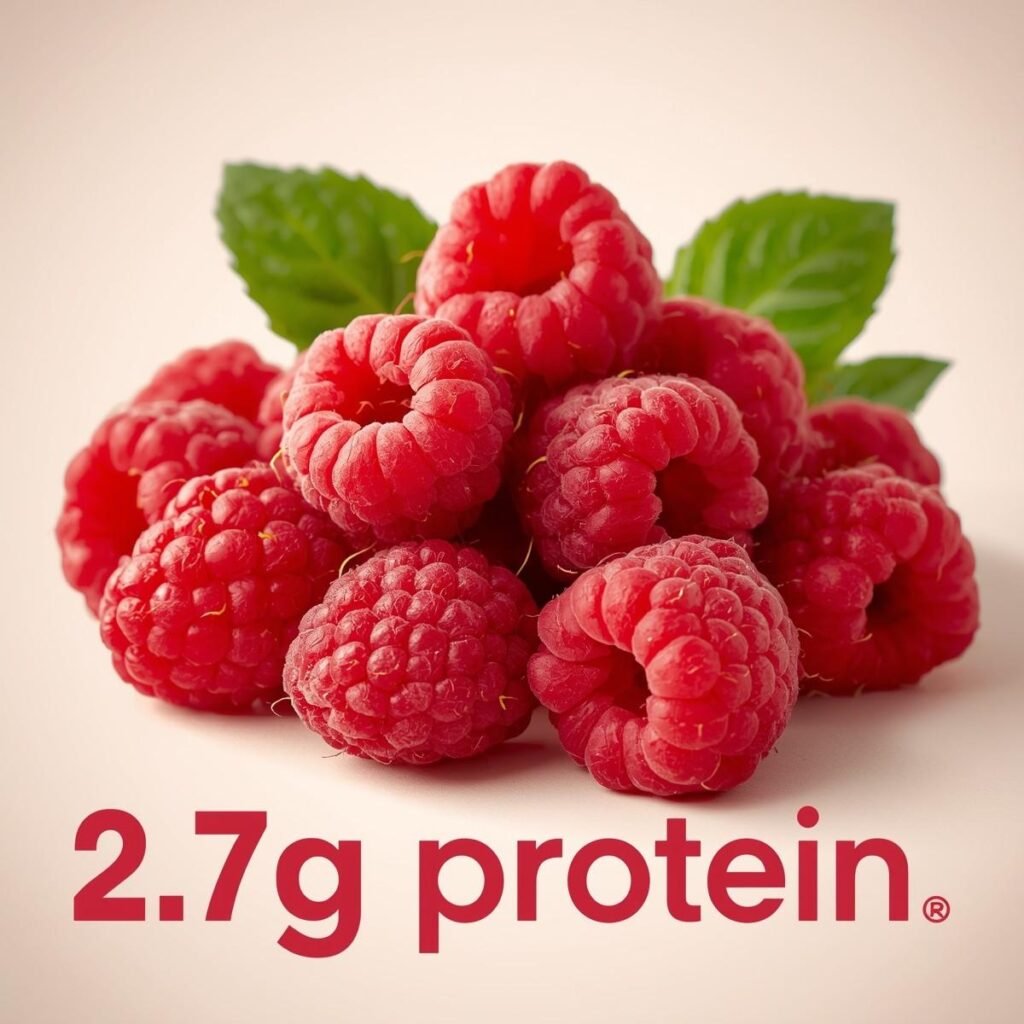
Protein: ~2.7 g per cup
Raspberries combine a sweet-tart flavor with fiber and antioxidants—helping support digestion, nutrient uptake, and a bit of protein too.
10. Passion Fruit
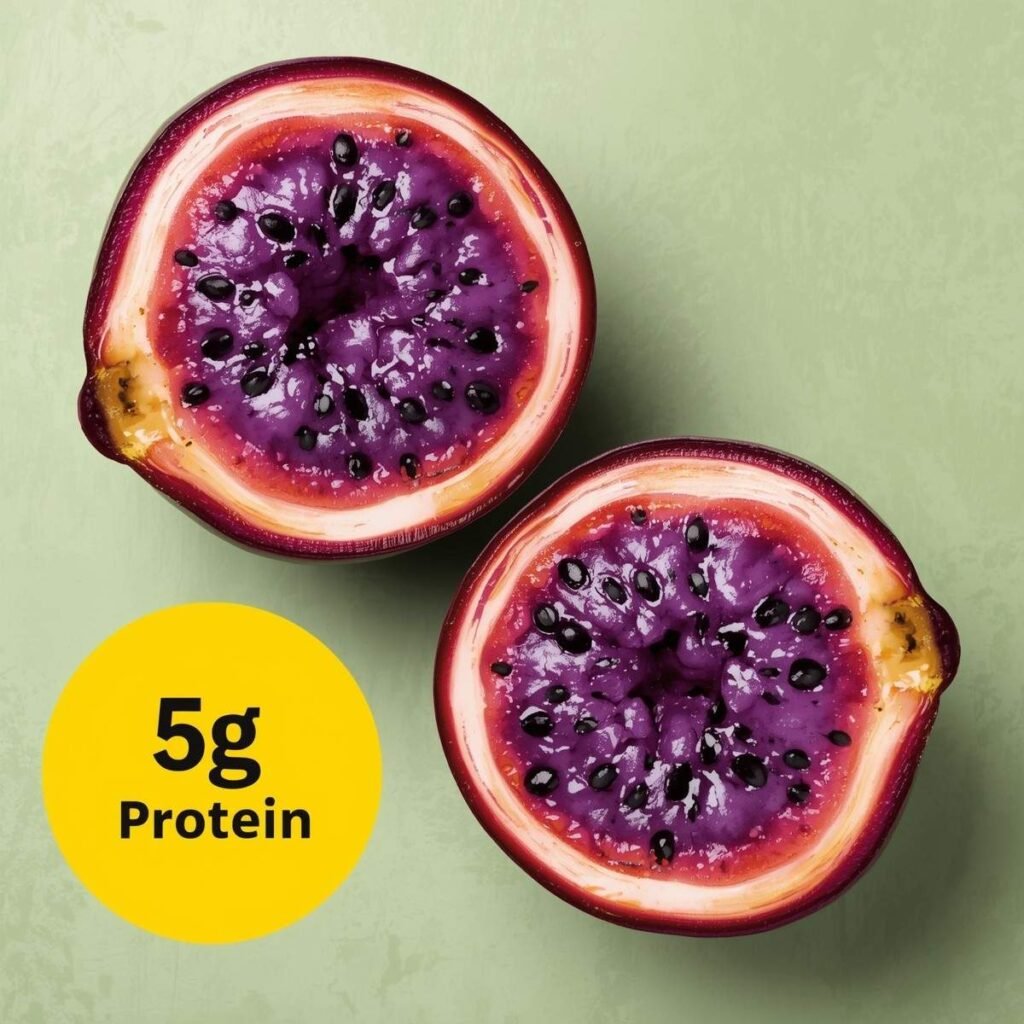
Protein: ~5 g per cup
Some sources suggest passion fruit may have one of the highest protein counts among fruits, along with fiber and vitamin C.
11. Grapefruit

Protein: ~1.8 g per fruit
Low in calories and refreshing, grapefruit offers a small protein boost and plenty of vitamin C—good for post-workout recovery and hydration.
12. Oranges

Protein: ~1.5 g per cup
Oranges are known for vitamin C, but they also offer energy and a touch of protein, making them a great snack idea before or after training.
13. Cantaloupe

Protein: ~1.6 g per cup
Sweet and hydrating, cantaloupe provides fluid, vitamins, and a bit of protein—perfect for summer muscle-fueling snacks.
14. Cherries

Protein: ~2.5 g per cup
Cherries may help with muscle recovery thanks to antioxidants that reduce inflammation—plus they add a modest protein amount.
15. Dragon Fruit

Protein: ~1.2 g per cup
Dragon fruit brings color and fiber to the table with trace protein—plus unique antioxidants that support overall wellness.
Final Notes
Fruits alone aren’t enough to meet all your protein needs for muscle building—they usually contain only 1–5 grams of protein per serving. But when combined with lean meats, dairy, legumes, or protein supplements, high-protein fruits can round out a nutrient-rich diet that supports muscle growth, recovery, and overall health.